How to Get Mildew Smell Out of Towels: 7 Safe Steps
If you are wondering how to get mildew smell out of towels, the safest fix is usually a prompt rewash, the correct amount of detergent, a fabric-safe odor treatment, and complete drying. The smell is a warning that moisture and residue have lingered in the fibers—not a reason to cover the towel with fragrance.
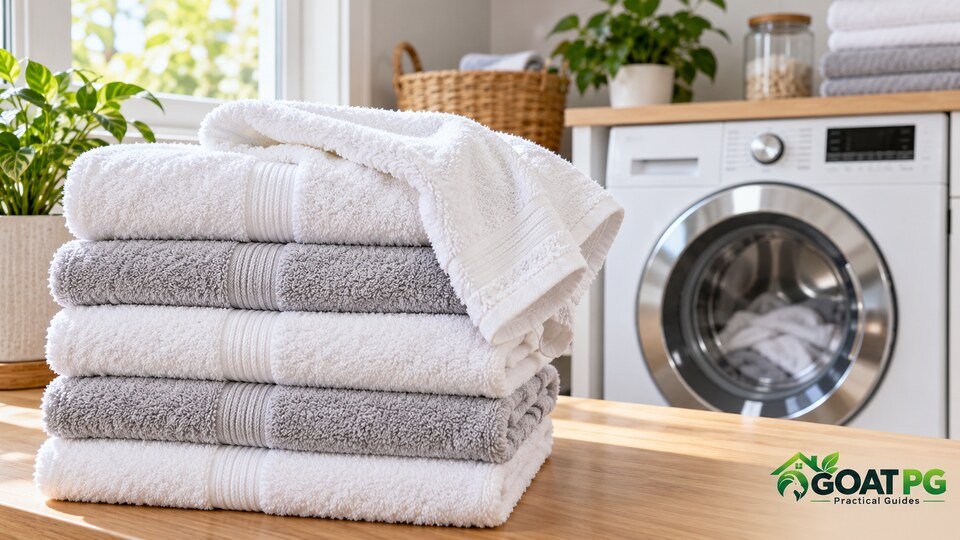
Quick answer: Check the care label, separate affected towels, and rewash them with a measured dose of quality detergent at the warmest temperature the label allows. Add an extra rinse if the towels feel coated. If odor remains, repeat the wash with a color-safe oxygen bleach labeled for the fabric. Dry every towel completely before folding it. Never combine chlorine bleach with vinegar, ammonia, or another cleaner.
Table of Contents
Why Towels Smell Like Mildew
Towels are thick, absorbent, and slow to dry when they are bunched up. That combination makes them especially vulnerable to stale odors. A damp towel left on the floor, trapped in a gym bag, or buried in a closed hamper may remain wet for hours. Microorganisms can grow in the moisture and release the compounds we recognize as a musty or mildew-like smell.
The problem is not always the towel itself. Too much detergent or fabric softener can leave a coating that holds body oils and moisture. An overloaded drum may prevent water and detergent from moving through the load. A washer with residue around the gasket, dispenser, or tub can also transfer odor back to freshly washed fabric. If the machine is the likely source, follow our guide to why a washing machine smells and how to clean it.
Drying matters just as much as washing. A towel that feels dry on the outside can remain damp in its folded layers. Putting it in a linen closet too soon often brings the odor back. High room humidity and a crowded closet can make the situation worse, especially if airflow is limited.
Understanding how to get mildew smell out of towels therefore means treating the full moisture cycle: how the towel is used, where it waits, how it is washed, and whether its inner layers become completely dry.
What You Will Need
- Your towels’ care labels
- A good laundry detergent
- A measuring cap or scoop
- Color-safe oxygen bleach, if permitted by the label
- A washing machine with enough room for towels to tumble
- A dryer or a well-ventilated drying area
- A clean laundry basket
You do not need a complicated mixture of household chemicals. In fact, combining products can damage fabric or create dangerous fumes. The goal is to remove soil and odor, rinse away residue, and eliminate the moisture that allowed the smell to develop.
How to Get Mildew Smell Out of Towels in 7 Steps
1. Read the Care Label and Sort the Towels
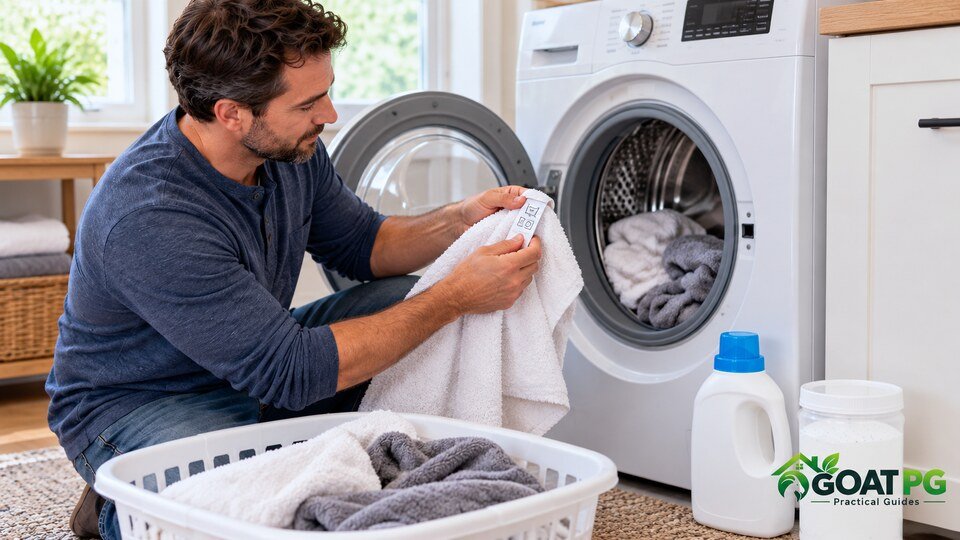
The first step in how to get mildew smell out of towels is checking what the fabric can tolerate. Cotton bath towels may allow a warmer wash than microfiber, bamboo blends, or decorative towels. Follow the label for water temperature, bleach use, and machine drying.
Separate white towels from colors, and keep heavily affected pieces away from a normal load. Shake out each towel before it goes into the drum. If a towel has visible spots, test any treatment on a hidden area first and follow its product label.
2. Rewash Promptly With a Measured Dose of Detergent
Place the affected towels in the washer without stuffing the drum. They need room to move so wash water can reach the fibers. Add the amount of detergent recommended for your load size, soil level, water hardness, and washer type. More detergent is not more cleaning: an excessive dose can be difficult to rinse and may leave an odor-trapping film.
Wash the towels as soon as you notice the smell. The American Cleaning Institute recommends washing wet textiles promptly because moisture supports mildew growth. Do not leave the washed load sitting in the machine after the cycle ends.
3. Choose the Warmest Water and Best Cycle the Label Allows
Select the warmest safe temperature shown on the care label. A normal or heavy-duty cycle may be appropriate for sturdy cotton towels, while delicate materials need gentler handling. The right choice depends on the fabric, not on a universal “hotter is always better” rule.
For a high-efficiency washer, use an HE-compatible detergent and avoid overcrowding. If towels routinely leave the machine smelling sour, the load may be too large or the cycle may be too short. Our guide to clothes that smell sour after washing explains the same residue and drying problems in more detail.
4. Add an Extra Rinse When Towels Feel Coated
If the towels feel stiff, slick, or heavily scented after washing, choose an extra rinse. That helps clear leftover detergent and softener. Skip liquid fabric softener during the odor-removal wash because it can coat absorbent fibers. Dryer sheets can also leave residue, so avoid them until the smell is gone.
This step is particularly useful when learning how to get mildew smell out of towels in hard-water homes. Mineral buildup and detergent residue can combine over time. Use the detergent quantity suggested for your water conditions rather than pouring by eye.
5. Use Oxygen Bleach if the Odor Persists
If one wash is not enough, a color-safe oxygen bleach may help with persistent odor and stains. Confirm that the towel label and the product directions permit it. Measure exactly, place it in the correct dispenser or drum location, and use the water temperature specified by the product.
For anyone comparing methods for how to get mildew smell out of towels, a labeled oxygen laundry product is more predictable than an improvised recipe because its directions specify compatible fabrics, dose, and wash conditions.
Do not assume chlorine bleach is suitable. It can weaken some fibers, alter colors, and damage trims. If a white cotton towel’s label allows chlorine bleach, follow the bleach label and washer instructions precisely. Use one treatment at a time and never improvise chemical combinations.
6. Dry the Towels Completely
Move towels to the dryer or drying line immediately after washing. In a machine, select the heat setting permitted by the care label and avoid an oversized load. Towels should tumble freely. Clean the lint screen before or after every load, and stop using the dryer if drying times suddenly become unusually long.
If air-drying, spread each towel fully over a line or rack. Do not layer wet towels or fold them over a narrow hook. Sunlight and outdoor airflow can help when the label and weather permit, but the essential point is complete drying. For home safety and better dryer performance, see how to clean a dryer vent safely.
7. Check the Washer and Storage Area if the Smell Returns
A recurring odor means you should look beyond the towel. Inspect the washer door gasket, detergent drawer, filter area, and drum according to the manufacturer’s manual. Run the machine’s cleaning cycle with the approved washer-cleaning product. Leave the door and dispenser open after use when the manufacturer says it is safe to do so.
Also smell the cabinet or linen closet. Store only bone-dry towels, leave space between stacks, and improve ventilation if the area feels damp. If the entire closet smells earthy, use our checklist for finding the cause of a musty closet.
Vinegar, Baking Soda, and Bleach: What Is Safe?
Many online instructions for how to get mildew smell out of towels recommend vinegar, baking soda, or both. These ingredients are not interchangeable with laundry detergent, and mixing them together largely causes them to react with each other. A standard detergent wash followed by complete drying is the sensible first treatment.
If your washer manufacturer and towel label allow white vinegar as a laundry rinse, use it only as directed and never in the same cycle or container as chlorine bleach. Never mix chlorine bleach with vinegar, ammonia, or any other cleaning product. The combination can release toxic gas. Do not pour a homemade mixture into a washer dispenser whose instructions do not approve it.
Baking soda may reduce some odors, but it is not a substitute for detergent and may not be appropriate for every machine. Consult the appliance manual before adding it. Oxygen bleach is often a more predictable option because it comes with fabric, dose, and temperature directions. Whatever product you choose, keep the package label in control.
How to Prevent Musty Towels
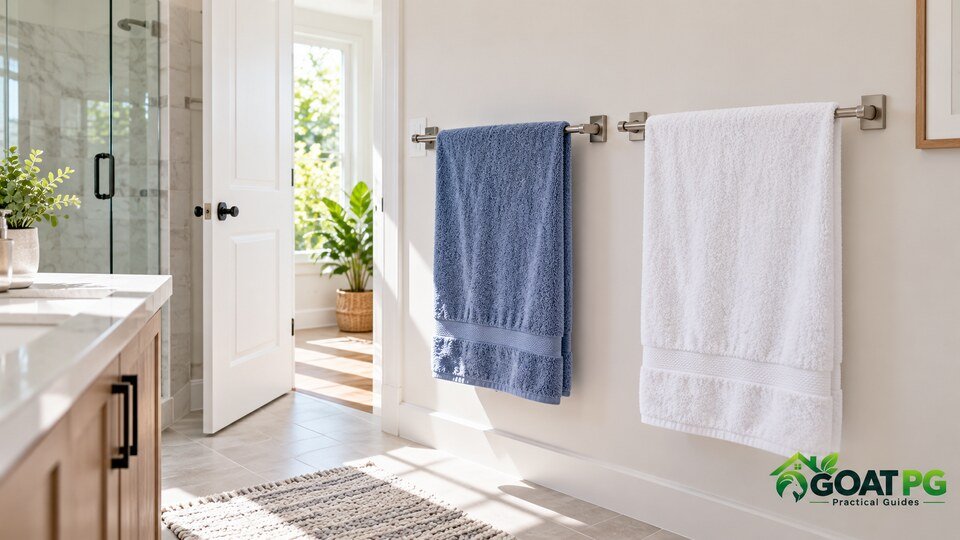
Once you know how to get mildew smell out of towels, prevention is straightforward. Moisture is the main variable you can control. Give every used towel space and airflow instead of dropping it in a pile.
- Hang it immediately: Spread a towel across a bar instead of bunching it on a hook.
- Keep wet towels out of closed hampers: Let them dry first, or use a ventilated basket.
- Wash on a regular schedule: Do not wait until odor becomes obvious.
- Measure detergent: Adjust the dose to the load, washer, and water conditions.
- Avoid overloading: Towels need room to wash, rinse, and tumble dry.
- Unload promptly: Set a timer if you tend to forget a finished cycle.
- Maintain the washer: Follow the manufacturer’s cleaning schedule and keep dispensers free of buildup.
- Ventilate the bathroom: Run the exhaust fan during bathing and for a while afterward, or open a window when conditions allow.
- Store only when fully dry: Even slight residual dampness can restart the problem inside a stack.
The American Cleaning Institute advises hanging towels after use and washing wet textiles promptly. Those two simple habits prevent many cases before an extra wash is needed. Its laundry guidance on when to wash household textiles is a useful reference for building a routine.
When to Replace a Towel
Most musty towels can be saved, but not every towel should be. Replace one that still smells after several correct wash-and-dry cycles, has widespread visible mold growth, or has become badly frayed and nonabsorbent. A persistent problem may mean the contamination or fiber damage is too advanced for normal home laundering.
People with asthma, mold allergies, or weakened immune systems should be especially cautious around visibly moldy textiles. Avoid shaking a contaminated towel indoors. If mold is widespread in the room rather than limited to laundry, correct the moisture source and consider qualified professional advice.
Before discarding a towel because it feels rough, check for detergent buildup and confirm that your water and dosing are appropriate. The American Cleaning Institute’s laundering problems and solutions page can help identify residue, discoloration, and washing errors.
Frequently Asked Questions
Can I wash musty towels with my regular clothes?
It is better to wash noticeably musty towels separately. Towels are heavy, shed lint, and often need a different cycle from everyday clothing. A smaller dedicated load also gives them more room to rinse.
Why do my towels smell bad again after one use?
They may not be drying fast enough between uses, or residue may remain in the fibers. Spread each towel on a bar, improve bathroom ventilation, reduce detergent if you have been overdosing, and inspect the washer for buildup.
Does hot water always remove mildew smell?
No. Hot water can damage some colors and fibers. Use the warmest temperature allowed by the care label and combine it with adequate detergent, movement, rinsing, and full drying.
Can I use vinegar and bleach in separate cycles?
The safest approach is not to combine or sequence reactive cleaners unless both the appliance instructions and product labels explicitly support the process. Never use chlorine bleach with vinegar, ammonia, or another cleaner. A detergent wash and a labeled oxygen-bleach treatment are easier to manage safely.
How do I get mildew smell out of towels without bleach?
Rewash with measured detergent at the warmest care-label temperature, select an extra rinse, and dry completely. If the label permits it, a color-safe oxygen laundry product is an alternative to chlorine bleach. Check your washer for residue if the odor returns.
This is also the simplest approach to how to get mildew smell out of towels when you want to avoid chlorine bleach: rely on detergent, thorough rinsing, approved oxygen bleach if needed, and complete drying.
How quickly should I move towels from the washer?
Move them as soon as the cycle finishes. Leaving a warm, wet load in a closed drum gives odor-causing microorganisms another damp environment. If you cannot dry the load immediately, spread the towels temporarily rather than leaving them compressed.
Bottom Line
The reliable method for how to get mildew smell out of towels is simple: check the label, use a properly sized load and measured detergent, rinse away residue, choose a fabric-safe treatment when needed, and dry every layer completely. Prevention then comes down to airflow, prompt laundering, and a clean washer.
Avoid mystery mixtures and fragrance-only fixes. When the care label, appliance manual, and product directions agree, how to get mildew smell out of towels becomes a safer, repeatable process—and the towels smell genuinely clean instead of temporarily perfumed.