Why Does My House Smell Musty After Rain? 9 Causes and Fixes
Why does my house smell musty after rain
? The short answer is that rain has introduced moisture—or raised indoor humidity—somewhere that dust, wood, drywall, carpet, or other organic material can stay damp. The odor may appear before you see a stain or visible mold, so treat it as an early warning rather than masking it with fragrance.
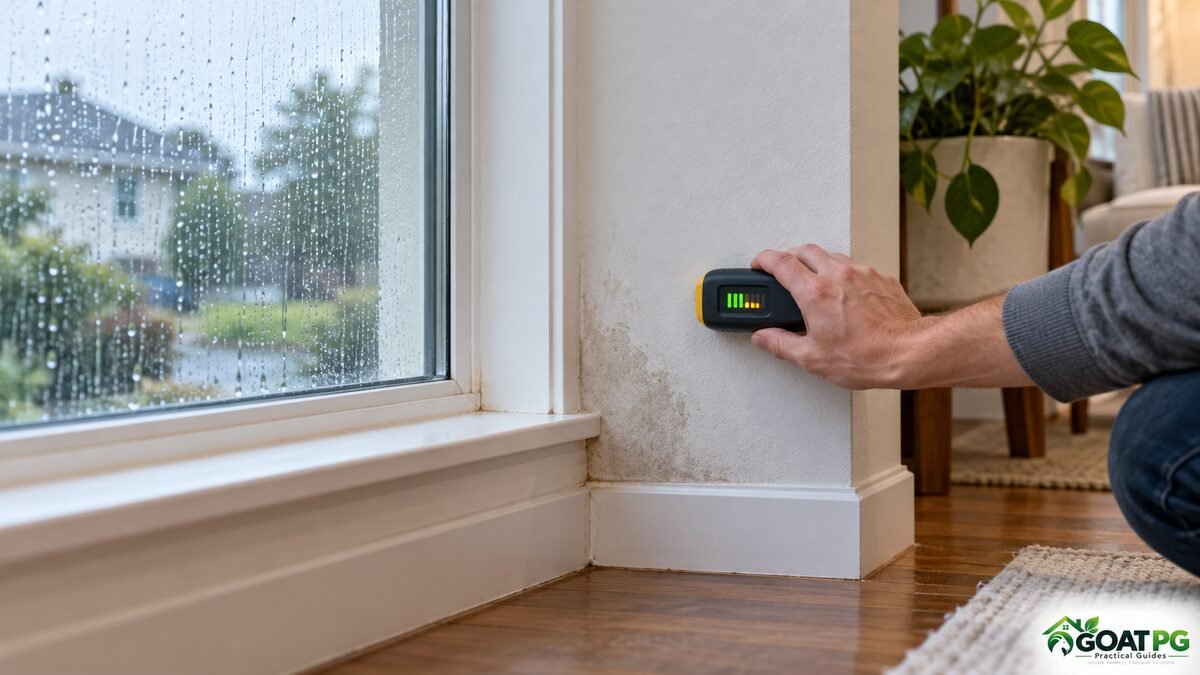
This guide helps you trace the smell safely, fix common moisture sources, and decide when the problem needs a roofer, plumber, HVAC technician, water-damage restorer, or mold professional. Start with the rooms where the odor is strongest, then work outward.
Quick answer: what to check first after rain
If the musty smell begins during a storm or within a day afterward, check these areas first:
- Ceilings and upper walls below roof valleys, chimneys, skylights, and vents.
- Window frames, exterior doors, and baseboards on the windward side of the house.
- Basements and crawlspaces, especially near foundation walls and floor drains.
- Carpet edges, closets against exterior walls, and furniture touching a cold wall.
- The HVAC return, filter, condensate drain, and any ducts running through a damp space.
Use your nose to narrow the area, but do not rely on smell alone. Look for paint bubbling, swollen trim, soft drywall, rusty fasteners, water tracks, darkened wood, loose flooring, or unusually cool surfaces. A pinless moisture meter can help compare a suspicious area with a known-dry area, but it does not identify the source by itself.
Why does my house smell musty after rain? 9 common causes
1. A small roof or flashing leak
Rain can enter around worn flashing, damaged shingles, roof penetrations, chimneys, skylights, or poorly sealed vents. Water may travel along rafters before it reaches the ceiling, so the stain is not always directly below the leak. Attic insulation can hold moisture and create an odor long before water drips into the room.
What to do: From inside the attic, inspect safely during daylight for damp decking, compressed insulation, staining, or rusty nails. Do not walk on ceiling drywall. A roof inspection is safer than climbing onto a wet roof, and active leaks near wiring require urgent professional attention.
2. Overflowing gutters, short downspouts, or poor grading
Clogged gutters can send roof water down siding or behind trim. Downspouts that discharge beside the foundation may saturate the soil, while ground that slopes toward the house directs even more water to basement or crawlspace walls.
What to do: Clear gutters when conditions are dry and safe, repair separated joints, and direct downspout water away from the foundation according to local conditions. Correct low spots near the home so surface water flows away rather than collecting beside the wall.
3. Basement or crawlspace moisture
Soil moisture, foundation seepage, an uncovered crawlspace floor, or humid outdoor air can make a lower level smell earthy after rain. That air can move upward through plumbing openings, duct chases, stairwells, and gaps in the floor, making the entire house seem musty.
What to do: Check foundation walls, sill plates, support posts, stored cardboard, insulation, and the ground covering. Remove wet storage materials and use a dehumidifier if appropriate, but do not treat dehumidification as a substitute for stopping bulk water. Standing water, damaged structural wood, sewage, or widespread growth calls for professional help.
4. Rain entering around windows, doors, or wall penetrations
Wind-driven rain can slip through failed exterior caulk, damaged siding, missing flashing, unsealed cable penetrations, or gaps around window and door assemblies. The inside trim may look normal while insulation or sheathing is damp behind it.
What to do: Inspect the exterior after the weather clears. Look for cracked sealant, open joints, damaged flashing, and staining below corners. Do not simply caulk every drainage opening; some window and wall systems need weep paths to let water escape. If the source is unclear, a qualified building professional can perform controlled water testing.
5. Condensation on cold surfaces
Rainy weather often raises indoor humidity. Moist air can condense on cool windows, metal ducts, poorly insulated corners, exterior walls, or cold-water pipes. Repeated condensation dampens dust, paint, wood, and fabrics, producing a stale odor.
What to do: Measure indoor relative humidity with a hygrometer, improve air circulation, and reduce moisture production. Wipe wet windows and investigate persistent condensation. Our guide to condensation on bedroom windows explains practical ways to address cold glass and excess humidity.
6. Moisture from bathrooms, cooking, or a clothes dryer
A storm may keep windows closed while showers, cooking, and laundry continue adding water vapor indoors. Weak exhaust fans, blocked ducts, or a dryer venting inside can push humidity high enough for odors to develop in closets and cool rooms.
What to do: Run bathroom and kitchen exhaust fans during moisture-producing activities and for a short period afterward. Confirm that fans and the dryer vent outdoors—not into an attic, crawlspace, or wall cavity. If one bathroom already smells damp, use this bathroom damp-smell checklist to isolate the source.
7. Wet carpet, padding, drywall, insulation, or furniture
Porous materials can absorb water at a window edge, exterior wall, basement floor, or unnoticed spill. The surface may feel dry while padding or the back of the drywall remains wet. Furniture placed tightly against an exterior wall can also trap cool, humid air.
What to do: Move furniture away from the wall, lift only accessible carpet edges if it is safe, and compare suspicious materials with nearby dry areas. Dry small, clean-water incidents promptly with ventilation, fans, and dehumidification. Materials affected by contaminated water, extensive saturation, or established mold generally need specialized assessment and removal.
8. An HVAC or condensate problem
If the odor is strongest when heating or cooling starts, inspect the system. A wet filter, clogged condensate line, dirty evaporator coil, overflowing drain pan, or damp duct insulation can spread odor through multiple rooms. Ducts in a wet crawlspace or attic may also pull in humid, musty air through leaks.
What to do: Replace a dirty filter with the correct type, make sure supply and return vents are open, and check the visible drain area for overflow. Switch the system off if water is near electrical components. Internal coil cleaning, drain repairs, and suspected duct contamination are jobs for a qualified HVAC technician.
9. A plumbing, drain, or sewer issue noticed during rain
Not every odor after rain comes through the roof. A slow plumbing leak may become more noticeable when indoor humidity rises. Heavy rain can also affect overloaded drains, sump systems, or sewer connections, producing an odor that people describe as musty, earthy, or foul.
What to do: Check under sinks, around toilets, behind appliances, and near the water heater. If the smell resembles sewage, look for dry traps in unused fixtures and note any gurgling or slow drains. Sewage backup, contaminated water, or an electrical hazard should be handled immediately by the appropriate professional.
How to find the source room by room
- Record the timing. Note whether the smell begins during rain, after several hours, when the HVAC starts, or only after the storm ends.
- Find the strongest zone. Close interior doors for 20 to 30 minutes, then compare rooms. Check closets and cabinets separately.
- Look high, low, and behind objects. Inspect ceilings and upper corners for roof entry, then baseboards and flooring for seepage. Move lightweight furniture away from exterior walls.
- Compare moisture readings. Use a moisture meter as a comparison tool, following its instructions. Metal, wiring, and different material densities can distort readings.
- Check outside. When the storm has passed, inspect gutters, downspouts, grading, roof-to-wall transitions, window trim, and penetrations from ground level.
- Recheck after the next rain. A dated photo and simple odor log can help a contractor connect the symptom to weather direction and intensity.
If the odor is concentrated in a sleeping area, also follow our detailed guide on why a bedroom smells musty. Bedding, closets, window condensation, and furniture placement often make bedroom moisture problems easier to miss.
Safe drying and cleanup steps
First, stop the water source. Drying a room while rain or plumbing water continues entering only hides the symptom. For a small area affected by clean water, remove wet items from contact with walls and floors, increase ventilation when outdoor conditions permit, and run a dehumidifier in an enclosed space. Empty or drain the unit as directed.
Aim for comfortable indoor humidity rather than making the room excessively hot. Fans can speed evaporation after the source is controlled, but avoid blowing air across suspected mold or contaminated material because that may spread particles. Washable fabrics should be cleaned and dried completely before returning them to storage.
The U.S. Environmental Protection Agency recommends controlling moisture by fixing leaks and seepage, directing drainage away from the foundation, venting moisture-producing appliances outdoors, using exhaust fans, and improving air circulation. See the EPA’s guidance on ways to control moisture in your home.
What not to do
- Do not cover the odor with fragrance. Air freshener does not dry materials or repair a leak.
- Do not paint over damp or stained drywall. The coating can hide evidence while moisture damage continues.
- Do not mix bleach with ammonia, acids, or other cleaners. Dangerous gases can form.
- Do not assume bleach fixes porous materials. Drywall, insulation, carpet padding, and composite wood may need removal when significantly contaminated.
- Do not use an ozone generator in an occupied home. Ozone can irritate the respiratory system and does not correct the moisture source.
- Do not open walls blindly. Hidden electrical wiring, plumbing, structural components, or contaminated material can make exploratory demolition hazardous.
When to call a professional
Arrange professional help when water is near electrical equipment, the leak involves the roof or structure, the odor returns after drying, materials remain wet for more than a short period, or the affected area is extensive. Also seek expert assistance for sewage, floodwater, significant mold growth, recurring basement water, damaged insulation, or health symptoms that worsen in the building.
A roofer addresses roof coverings and flashing; a plumber handles supply, drain, and sewer problems; an HVAC technician checks coils, pans, condensate drains, and ducts; and a water-damage or mold professional evaluates wet assemblies and contamination. For complex leaks, a building-envelope specialist can trace rain entry without relying on guesswork.
How to prevent the smell from returning
- Clean and inspect gutters and downspouts regularly.
- Keep roof, chimney, skylight, siding, window, and door flashing maintained.
- Direct surface water away from the foundation and correct recurring puddles.
- Use bathroom and kitchen exhaust fans that discharge outdoors.
- Vent the clothes dryer outdoors and keep its duct clear.
- Maintain the HVAC system and condensate drain on schedule.
- Monitor humidity in basements, bedrooms, and other problem rooms.
- Leave a small air gap behind furniture on cold exterior walls.
- Avoid storing cardboard or fabrics directly on a damp basement floor.
- Inspect previous repair areas after heavy or wind-driven rain.
Frequently asked questions
Does a musty smell always mean mold?
No. Damp dust, wet wood, old carpet padding, soil air from a crawlspace, and stagnant HVAC condensate can smell musty. However, persistent moisture can support mold growth, so the odor still deserves investigation.
Can rain make a house smell musty without a leak?
Yes. Outdoor humidity can raise indoor moisture, especially when ventilation is limited or cool surfaces cause condensation. Even so, check for hidden rain entry before assuming humidity is the only cause.
Will a dehumidifier remove the smell?
It may reduce odor caused by high humidity and help dry a small clean-water incident. It will not repair a roof, foundation, plumbing, drainage, or HVAC problem. If the smell returns after the unit stops, the moisture source is probably still present.
How long should a damp smell last after rain?
A room should improve as clean, lightly damp materials dry. A strong odor that persists, worsens, or returns with every storm suggests trapped moisture or repeated water entry and should be investigated promptly.
Is it safe to sleep in a musty room?
That depends on the source and the occupants. Move to another room if there is visible contamination, active water entry, sewage, electrical risk, or symptoms such as breathing difficulty. People with asthma, allergies, immune suppression, or other health concerns should seek medical advice about exposure.
The bottom line
When a house smells musty after rain, follow the moisture rather than the odor. Start with the roofline, windows, foundation, basement or crawlspace, and HVAC system. Stop water entry, dry affected materials promptly, and monitor the area during the next storm. A fragrance can hide the warning; a documented inspection and a durable moisture repair solve it.