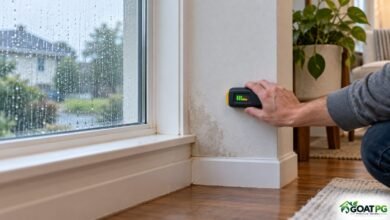
Why Does My Basement Smell Musty? 10 Causes and Fixes
Why does my basement smell musty? The odor usually means moisture is lingering somewhere below grade. It may come from high humidity, a small plumbing leak, groundwater seeping through the foundation, damp cardboard, a dry floor drain, or mold growing on a hidden surface. The smell is useful evidence: do not cover it with fragrance and assume the problem is gone.
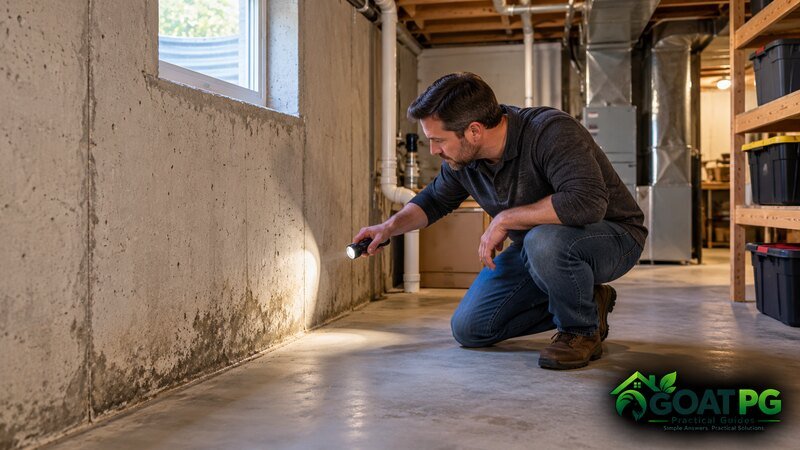
Quick answer: If you are asking why does my basement smell musty, start by checking the humidity, plumbing, foundation walls, floor edges, sump area, floor drains, HVAC equipment, and stored belongings. Fix the water source first, dry the space, remove unsalvageable porous materials, and clean only after the moisture is controlled. Call a professional when water is entering near electrical equipment, sewage is involved, the affected area is extensive, or anyone in the home has significant respiratory symptoms.
Table of Contents
What a Musty Basement Smell Means
A musty odor is often described as earthy, stale, or similar to wet paper. It does not identify one specific organism or prove that every surface contains mold. However, the U.S. Environmental Protection Agency says moldy or musty odors should prompt an investigation for water entry and possible hidden growth. In a basement, the odor can collect because the space is cooler, receives less sunlight, and may exchange less air with the outdoors.
The key distinction is between removing an odor and correcting its source. Air fresheners, scented candles, ozone devices, or a coat of paint can temporarily change what you smell, but they do not stop condensation, repair a leak, or dry wet drywall. A dehumidifier can help control airborne moisture, yet it cannot compensate for rainwater entering through a wall or a pipe that is still dripping.
A clear answer to why does my basement smell musty therefore depends on finding where moisture is entering, condensing, or being stored. The odor may travel, so the strongest smell is a clue rather than absolute proof of the exact source.
When homeowners ask why does my basement smell musty only after rain, the foundation, grading, gutters, downspouts, and window wells deserve special attention. If the smell appears after using a basement shower, laundry sink, or washing machine, inspect plumbing and drainage instead. A smell that is strongest near stored boxes or carpet may be coming from damp contents rather than the structure itself.
A Safe 15-Minute Basement Inspection
If you want to determine why does my basement smell musty, a methodical inspection is more useful than trying several odor products at once. Record what you see and change only one condition at a time so you can tell which repair makes a difference.
Begin without moving heavy furniture or opening walls. Use a bright flashlight and walk the perimeter. Look for darkened concrete, peeling paint, powdery mineral deposits, swollen baseboards, rust, damp carpet edges, water stains, and condensation on pipes or windows. Check beneath sinks and around the water heater, washing machine, sump pit, and HVAC equipment.
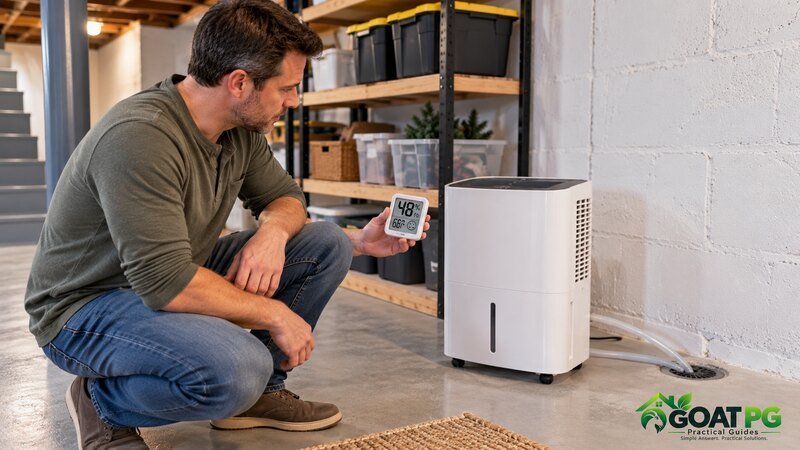
Use an inexpensive digital hygrometer to measure relative humidity. A single reading is only a snapshot, so check again after rain and during humid weather. EPA guidance commonly recommends keeping indoor humidity below 60 percent and ideally around 30 to 50 percent when practical. If the basement remains above that range, investigate why before relying on a larger dehumidifier.
Smell different areas separately. A strong odor at one wall, floor drain, closet, or storage shelf gives you a more useful clue than the overall room smell. Photograph suspicious stains and mark their edges lightly with painter’s tape so you can see whether they spread after the next storm. If you find active water near outlets, a panel, furnace, or other powered equipment, do not touch it; leave the circuit alone and call a qualified professional.
Why Does My Basement Smell Musty? 10 Common Causes
1. High indoor humidity
Warm, humid air can enter a cool basement and condense on foundation walls, pipes, and floors. Laundry, an unvented dryer, and air leaks may add more moisture. The result is a persistent damp environment that supports odors even when no puddle is visible.
Run a properly sized dehumidifier with a safe drain arrangement, close basement windows during very humid weather, and correct sources that add moisture. Clean the filter and keep the unit away from walls as its manual directs. If humidity climbs again immediately after the dehumidifier stops, look for water entry or an HVAC issue rather than treating humidity as the only cause.
2. Rainwater near the foundation
Clogged gutters, short downspouts, sunken soil, and overflowing window wells can concentrate rainwater next to the house. That water may seep through cracks, joints, or porous masonry. This is especially likely when the answer to why does my basement smell musty changes with the weather.
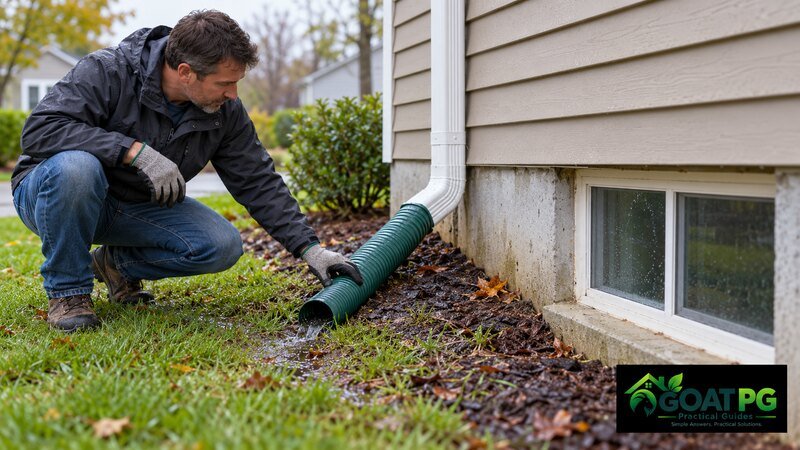
Clean and repair gutters, make sure downspouts discharge safely away from the foundation, and have poor grading evaluated. Do not simply seal an interior stain before stopping exterior water. For broader clues, compare the area with our guide to why a house smells musty after rain.
3. A plumbing or appliance leak
A slow leak can wet a wall cavity or the underside of flooring without producing a dramatic puddle. Inspect supply lines, shutoff valves, drain connections, laundry hoses, water heaters, and condensate tubing. Feel around fittings only when it is electrically safe, and use a dry paper towel to reveal a small fresh drip.
Repair leaks promptly and dry the surrounding materials. The CDC advises drying wet materials within 48 hours when possible or removing them when they cannot be dried. If a stain continues to grow or a wall feels soft, review the other signs of water damage behind walls and arrange a proper inspection.
4. Hidden mold on porous materials
Mold can grow on the paper facing of drywall, carpet backing, wood, fabric, ceiling tile, and cardboard when those materials stay damp. Growth may be behind baseboards or beneath a finished wall, so the odor can appear before visible spotting. Do not tear into a wall merely to search; disturbing hidden contamination can spread dust and spores.
Small areas on hard surfaces may be cleaned with detergent and water after the moisture source is fixed and appropriate protection is used. Porous materials that are moldy may be difficult or impossible to clean completely. Extensive growth, contaminated HVAC components, or recurring hidden growth is a job for a qualified remediation professional.
5. Damp cardboard, fabric, or furniture
Cardboard boxes absorb moisture from concrete floors and humid air. Books, rugs, upholstered furniture, seasonal clothing, and paper records can do the same. Sometimes the room is dry again but the stored materials continue releasing an odor.
Inspect items outdoors or in a well-ventilated area when practical. Discard water-damaged cardboard, clean salvageable items using material-specific guidance, and replace boxes with washable plastic bins. Store bins on shelving with space for air circulation. If clothing is affected, isolate it from clean items until it has been washed and dried thoroughly.
6. A dry floor drain or plumbing trap
A floor drain, laundry standpipe, or unused sink normally has a water-filled trap that blocks sewer gas. When the water evaporates, odor can enter the basement. Sewer gas is usually sharper than an earthy mold odor, but homeowners often describe both as stale or musty.
Follow local plumbing guidance for restoring water to an approved trap. If the odor returns quickly, the drain gurgles, wastewater backs up, or you suspect a damaged vent or trap, call a licensed plumber. Do not pour random chemicals into a drain or mix drain cleaners.
7. A sump pit or drainage system problem
An uncovered, dirty, or poorly sealed sump pit may contribute stale odors. Standing water and debris can collect inside, and a failed pump may allow moisture to rise. Check the lid, discharge line, check valve, and pump operation according to the manufacturer’s instructions.
Do not reach into a sump pit while equipment is powered. A plumber or waterproofing professional should address electrical concerns, sewage connections, recurring overflow, or a pump that cycles incorrectly. A sump system manages water; it does not replace exterior drainage corrections.
8. Condensation on cold pipes, ducts, or walls
Water beads on a cold surface when surrounding air reaches its dew point. Persistent condensation can drip into insulation or onto framing and create an odor source. This is related to the same moisture physics discussed in our guide to condensation on bedroom windows.
Control humidity, seal appropriate air leaks, and have cold-water pipes or ducts insulated correctly for the local climate. Wet fiberglass, stained ceiling tile, or damaged duct insulation should be evaluated rather than wrapped over. Condensation at HVAC equipment can also indicate a blocked drain or service problem.
9. Poor airflow in a finished basement
Closed rooms, packed closets, furniture pressed against exterior walls, and blocked supply or return grilles can create cool pockets where moisture lingers. This may explain why does my basement smell musty in one corner while the center of the room seems normal.
Keep HVAC grilles open, leave a small air gap behind furniture, and avoid overpacking closets. Do not add an improvised exhaust fan that could depressurize the basement or interfere with combustion appliances. Ask an HVAC professional to assess ventilation and pressure balance when furnaces, boilers, or gas water heaters share the space.
10. An old spill, pest problem, or contaminated material
Not every basement odor is caused by mold. Old carpet padding, spilled liquids, rodent nesting material, dead pests, and contaminated wood can create a similar stale smell. Investigate when the odor is highly localized, changes with temperature, or remains after humidity and leaks have been corrected.
Use gloves and avoid sweeping dry droppings or nesting material into the air. Significant pest contamination should be handled according to public-health guidance or by a licensed pest professional. Fuel, solvent, or chemical odors require a different response and should not be treated as ordinary household cleaning.
How to Remove a Musty Basement Smell Safely
Once you know why does my basement smell musty, match the cleanup to the moisture source and affected material. A dry floor drain, damp cardboard, foundation seepage, and hidden drywall damage require different remedies.
The right sequence matters. First, stop rainwater, plumbing leaks, seepage, or condensation. Second, dry the area with safe ventilation, dehumidification, and professional water extraction when needed. Third, remove materials that cannot be cleaned or dried. Only then should you clean remaining hard surfaces and launder washable belongings.
- Document the source. Note weather, humidity readings, stain locations, and when the odor is strongest.
- Stop the moisture. Repair the leak, correct drainage, or arrange qualified foundation and HVAC work.
- Dry the space. Use fans only when they will not spread suspected mold or contaminated dust. Keep electrical equipment away from water.
- Sort stored items. Move dry items away from damp walls. Bag damaged porous materials before carrying them through the home.
- Clean appropriate surfaces. EPA guidance recommends detergent and water for mold on hard surfaces, followed by complete drying.
- Recheck after rain. Confirm that humidity and stains remain stable and that the odor does not return.
Do not paint over damp or moldy material. Paint may peel, trap moisture, and hide evidence without solving the problem. Avoid ozone generators in occupied spaces; odor removal is not a substitute for moisture control. If you are still wondering why does my basement smell musty after the basement has been dry for several days, inspect hidden porous materials and connected HVAC or crawl-space areas with professional help.
How to Keep the Basement Dry
Preventing the same problem is easier when you document why does my basement smell musty during wet and dry weather. Keep humidity readings, photos of repaired areas, and maintenance dates so a recurring pattern is easier to spot.
- Check gutters and downspouts each season and after major storms.
- Keep exterior drains and window wells clear.
- Monitor relative humidity with a hygrometer instead of judging by feel.
- Service the sump pump and backup system as the manufacturer recommends.
- Inspect washing-machine hoses, water heaters, and accessible plumbing regularly.
- Use shelving rather than placing cardboard directly on concrete.
- Leave airflow around exterior walls and mechanical equipment.
- Investigate new stains and odors early rather than covering them.
Musty odors can also travel between rooms through stairwells and ductwork. If a basement storage area or adjacent closet remains affected, our guide to why a closet smells musty explains how fabrics, shoes, and limited airflow can hold moisture and odor.
When to Call a Professional
Call for qualified help when water is near electricity or combustion equipment, sewage has entered, foundation cracks are changing, the sump system cannot keep up, or the moisture source is not clear. Professional assessment is also appropriate for extensive suspected mold, contamination inside HVAC equipment, repeated flooding, or materials that cannot be safely accessed.
People with asthma, severe allergies, chronic lung disease, or weakened immune systems should avoid mold cleanup and ask a healthcare professional about appropriate precautions. The CDC notes that damp buildings are associated with respiratory symptoms and can worsen asthma and allergic conditions. A contractor should explain the moisture source, containment plan, materials to be removed, and how drying will be verified—not merely offer to spray or paint the area.
Frequently Asked Questions
Can a basement smell musty without visible mold?
Yes. If you are still asking why does my basement smell musty without visible mold, growth may be hidden behind drywall, beneath carpet, inside stored items, or in another connected area. High humidity and damp materials can also create a stale odor before obvious spotting appears. Inspect for moisture first.
Will a dehumidifier remove a musty basement smell?
It can help when high humidity is the main cause, but it will not repair leaks, redirect rainwater, clean moldy materials, or fix a dry plumbing trap. Use humidity readings and keep searching if the odor persists.
Is a musty basement smell dangerous?
The odor itself does not measure risk, but it can signal dampness or hidden mold that deserves investigation. Leave immediately for gas, fuel, sewage, smoke, or electrical-burning odors and contact the appropriate professional.
Why does my basement smell musty after rain?
Rain-related odors often point to overflowing gutters, short downspouts, poor grading, window-well drainage, foundation seepage, or a sump issue. Inspect outdoors during or shortly after rain without entering flooded areas.
Can I use bleach to fix the smell?
Bleach is not a substitute for fixing moisture and may not be suitable for every material. Never mix it with ammonia or another cleaner. EPA guidance emphasizes detergent and water for appropriate hard surfaces, complete drying, and removal of moldy porous material when it cannot be cleaned.
How long should it take for the odor to disappear?
A light odor may improve after the source is fixed and the basement dries, but wet porous materials can continue smelling until cleaned or removed. If there is no clear improvement after several dry days, reassess hidden materials, drains, and connected spaces.
Official Sources
- U.S. EPA — A Brief Guide to Mold, Moisture and Your Home
- U.S. EPA — Main Ways to Control Moisture in Your Home
- CDC/NIOSH — Mold Testing and Remediation
Editorial note: This guide provides general household information. Building conditions, electrical systems, drainage, and health needs vary. When the source or safe scope of work is uncertain, use a qualified local professional.