Why Does My Bathroom Smell Damp? 7 Easy Fixes

Why does my bathroom smell damp even when it looks clean? In most cases, the answer is lingering moisture. Poor ventilation, wet towels and bath mats, condensation, plumbing leaks, or damp materials can keep moisture in the room long enough for a musty odor to develop.
The smell itself is a clue, not the underlying problem. Instead of covering it with an air freshener, the better approach is to find out where the moisture is coming from and why the bathroom is not drying properly.
If the odor is strongest after a shower, start with ventilation and humidity. If it is concentrated near a sink, toilet, cabinet, wall, or floor, investigate that area for a leak or persistent dampness.
Why Does My Bathroom Smell Damp? Start With These 7 Causes
A damp-smelling bathroom usually has one or more areas that remain wet longer than they should.
Start with the simplest possibilities before assuming there is a major hidden problem.
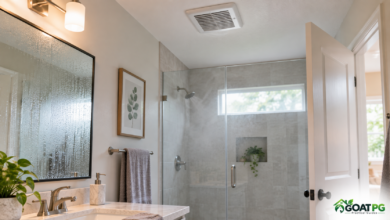
1. Humidity Is Staying in the Bathroom After Showers
A hot shower releases a significant amount of moisture into a relatively small room.
You may notice:
- A fogged mirror
- Condensation on windows
- Wet walls or tiles
- Moisture on the ceiling
- A room that still feels humid long after the shower
- A musty odor that becomes stronger after bathing
If that moisture cannot escape, surfaces and materials take longer to dry.
The U.S. Environmental Protection Agency explains that showering can increase indoor humidity and that controlling moisture is central to controlling mold growth.
What to do
Run the bathroom exhaust fan while showering and continue ventilating the room afterward.
If the bathroom has a window and outdoor conditions make it practical, opening it can also increase airflow.
Keep the bathroom door open after use when appropriate so trapped moisture can disperse into a better-ventilated space.
The objective is simple: help the bathroom dry as quickly as reasonably possible after it becomes wet.
2. Your Exhaust Fan Isn’t Removing Enough Moisture
A fan making noise does not necessarily mean it is ventilating the bathroom effectively.
An exhaust fan can perform poorly because it is dirty, undersized, obstructed, improperly installed, or no longer operating as intended.
Another important question is where the moist air goes.
A bathroom exhaust system should be configured appropriately for the building and should not simply move damp air into another enclosed part of the home.
A simple check
After showering, observe how long condensation remains on mirrors and other surfaces.
If the bathroom stays noticeably humid for a long time despite the fan running, ventilation deserves closer investigation.
Clean user-serviceable fan components according to the manufacturer’s instructions.
If you suspect a problem with the ductwork, electrical system, fan installation, or exhaust route, have it inspected by an appropriately qualified professional rather than dismantling concealed components yourself.
3. Wet Towels and Bath Mats Are Holding Moisture
Sometimes the source isn’t the walls or plumbing.
It’s the fabric in the room.
Thick towels and bath mats absorb large amounts of water. When they are folded over themselves, piled together, or left on the floor, they can stay damp for hours.
That moisture can contribute to a stale or musty smell even when the bathroom itself has just been cleaned.
What to do
Hang towels fully open when possible instead of bunching several damp towels on one hook.
Allow bath mats to dry between uses and wash them according to their care instructions.
Avoid putting soaking-wet fabrics into a closed hamper.
If the towels themselves develop an odor even after laundering, see our guide Why Do My Towels Smell After Washing? for the washing, detergent, residue, and drying problems that can cause the smell to return.
4. A Small Plumbing Leak Is Keeping Something Wet
Not every leak creates a visible puddle.
A slow leak can keep a cabinet, wall, floor, seal, or other material damp enough to create a persistent odor.
Inspect accessible areas around:
- The sink
- Supply connections
- The cabinet beneath the sink
- The toilet
- The bathtub
- The shower
- Visible plumbing
- Adjacent walls and flooring
Look for moisture, staining, peeling finishes, swelling, soft materials, or an odor that becomes noticeably stronger in one location.
What to do
Fix straightforward water problems promptly when they are within your ability to address safely.
If you cannot identify the source, water appears to be coming from inside a wall or floor, or the repair involves plumbing beyond ordinary household maintenance, contact a qualified professional.
Simply cleaning the visible surface will not solve a recurring odor if water continues entering the material.
5. Grout, Caulk, or Other Surfaces Stay Damp
Bathrooms contain many joints, corners, and seams where moisture can linger.
Grout lines and the areas around tubs and showers deserve particular attention because they are repeatedly exposed to water.
Check for:
- Discoloration
- Deteriorated caulk
- Areas that stay wet
- Recurring spotting
- A musty odor concentrated around the shower or tub
What to do
Keep bathroom surfaces clean and allow them to dry thoroughly.
Repair deteriorated seals where appropriate so water is not repeatedly entering places it should not.
Do not simply paint or caulk over an active moisture or mold problem. Find and address the moisture source first.
If water has reached materials behind the visible surface, a more thorough inspection may be necessary.
6. Condensation Is Forming on Cold Surfaces
A bathroom can have a moisture problem even without a plumbing leak.
Warm, humid air can condense when it contacts a colder surface.
Look for recurring condensation on:
- Windows
- Exterior walls
- Cold-water pipes
- Metal fixtures
- Other consistently cool surfaces
Repeated condensation can keep nearby materials damp.
What to do
Improving ventilation and reducing excessive humidity are the first steps.
Dry recurring condensation rather than allowing water to remain on surfaces.
If one wall, ceiling area, pipe, or window repeatedly becomes wet while other areas remain dry, investigate why that surface is unusually cold or why moisture is accumulating there.
Persistent condensation may require changes beyond routine bathroom cleaning.
7. Moisture or Mold May Be Hidden
A bathroom can smell musty without obvious visible growth.
Moisture can sometimes reach areas that are difficult to inspect, including spaces around plumbing penetrations, beneath damaged flooring, behind deteriorated finishes, or inside other damp building materials.
A persistent odor deserves more attention when it is accompanied by signs such as:
- Repeated water staining
- Soft or swollen materials
- Peeling paint
- Warped flooring
- Recurring visible growth
- A known plumbing or water leak
- An odor concentrated around one wall or enclosed area
Don’t rely on smell alone to diagnose the exact problem
A musty odor can alert you that something needs investigation, but it cannot tell you exactly what organism is present or where the moisture originates.
If visible mold is present, the moisture problem needs to be addressed along with appropriate cleanup.
For extensive, recurring, concealed, or difficult-to-handle moisture and mold problems, professional assessment may be appropriate.
How to Get Rid of a Damp Smell in the Bathroom
Once you have checked the likely causes, use a source-first approach.
Step 1: Remove wet fabrics
Take damp towels, clothing, and bath mats out of piles and allow them to dry properly.
Wash items that already smell musty according to their care instructions.
Step 2: Ventilate the room
Use the exhaust fan and increase airflow where practical.
The bathroom should not remain visibly steamy or wet for unnecessarily long periods after a shower.
Step 3: Dry wet surfaces
Wipe up standing water and recurring condensation.
Pay attention to corners and other places where water tends to remain.
Step 4: Inspect for leaks
Look beneath the sink and around accessible plumbing and fixtures.
If you find a leak, address the water source instead of repeatedly cleaning the resulting stain or odor.
Step 5: Clean the actual source
Clean bathroom surfaces with products suitable for those materials and follow product labels.
Never combine household cleaning chemicals unless their manufacturers specifically state that the combination is safe.
Step 6: Keep the room dry
Once everything is clean, focus on preventing moisture from accumulating again.
If the odor disappears but returns after the next few showers, that is useful information: the underlying humidity, ventilation, leak, or drying problem probably remains.
What Not to Do When Your Bathroom Smells Damp
A few common responses can hide the problem rather than solve it.
Don’t just use air freshener
Fragrance may temporarily cover a musty odor, but it does not remove trapped moisture or repair a leak.
Don’t paint over a recurring damp area
If a wall repeatedly becomes damp, determine why before covering the evidence.
Don’t caulk over an unresolved moisture problem
New caulk is not a substitute for repairing water intrusion or cleaning an affected area properly.
Don’t mix cleaning chemicals
More products do not automatically mean better cleaning.
Follow each product’s label and ventilation instructions, and never improvise chemical mixtures.
Don’t ignore a smell that keeps returning
A bathroom that smells damp every day despite normal cleaning is giving you useful information.
Find the moisture source.
How Humid Should a Bathroom Be?
Bathrooms naturally experience temporary increases in humidity during showers.
What matters is whether the room can return to a normal indoor humidity level afterward.
The U.S. Environmental Protection Agency recommends keeping indoor relative humidity below 60 percent and ideally around 30 to 50 percent when possible.
A small humidity meter, often called a hygrometer, can help you see whether humidity remains elevated long after the bathroom is used.
One reading does not diagnose the cause, but repeated measurements can help identify a room that is consistently staying too humid.
How to Prevent the Damp Smell From Coming Back
Once you’ve corrected the source, prevention becomes much easier.
Make these habits part of your bathroom routine:
- Use effective ventilation during and after showers
- Hang towels so they can dry fully
- Dry bath mats rather than leaving them saturated
- Fix plumbing leaks promptly
- Wipe up standing water
- Watch for recurring condensation
- Keep shower and tub areas clean
- Check deteriorated grout and caulk
- Avoid storing damp fabrics in enclosed spaces
- Investigate recurring stains or moisture instead of covering them
The goal is not to make the bathroom smell strongly perfumed.
A clean bathroom that dries properly should not need fragrance to conceal a persistent damp odor.
When Should You Call a Professional?
Some damp-smell problems are simple household maintenance issues. Others are signs of a problem that is difficult to see or safely repair.
Consider professional help when:
- A plumbing leak is concealed or difficult to repair
- Water damage keeps returning
- Walls, ceilings, or floors are soft, swollen, or deteriorating
- A large or recurring mold problem is present
- Moisture appears to be coming through the building structure
- The exhaust system requires electrical or ductwork repair
- The source of a strong persistent odor cannot be located
- You are unsure how to perform the repair safely
A professional should address the cause of the moisture, not merely cover the odor.
Read also : Why Do My Towels Smell After Washing? Causes and Easy Fixes
Frequently Asked Questions
Why does my bathroom smell damp after a shower?
If your bathroom smells damp after a shower, humidity may be remaining in the room too long. Check ventilation, condensation, wet towels, bath mats, and surfaces that are slow to dry.
Why does my bathroom smell damp even though it is clean?
Cleaning removes dirt from accessible surfaces, but it does not necessarily remove trapped moisture. Poor ventilation, a small leak, damp fabrics, condensation, or moisture inside materials can produce an odor in an otherwise clean-looking bathroom.
Can a bathroom smell musty without visible mold?
Yes. A musty smell can occur when materials or fabrics remain damp, and moisture problems may also exist in areas that are not immediately visible. Inspect for the source rather than assuming the absence of visible growth means the room is completely dry.
Will a dehumidifier help a damp-smelling bathroom?
A dehumidifier may help reduce excessive indoor humidity in appropriate situations, but it should not be used to hide a plumbing leak or other water source. If water is entering the room or building material, correct that problem first.
Why does the bathroom smell worse in the morning?
If the bathroom is closed overnight, moisture and odors from damp towels, bath mats, shower surfaces, or another source may have less opportunity to disperse. Improving drying and ventilation can help determine whether trapped humidity is contributing.
The Bottom Line
If you’re asking “why does my bathroom smell damp?”, start with moisture rather than fragrance.
Check whether humidity lingers after showers, whether the exhaust fan is actually removing moist air, whether towels and bath mats dry completely, and whether any plumbing or surfaces remain wet.
A damp smell that disappears once the bathroom dries points toward humidity and airflow. An odor concentrated around one fixture or area deserves closer inspection for a leak or wet material. A persistent smell accompanied by water damage or recurring mold may require professional attention.
The long-term solution is not to cover the smell. It is to keep unwanted moisture from remaining in the bathroom.