Why Is My Toilet Bubbling? 8 Causes and Safe Fixes
Why is my toilet bubbling when you flush, run the sink, or drain the shower? The sound usually means air is being pushed or pulled through water in the toilet trap because wastewater is not moving freely or the plumbing system cannot vent correctly. Sometimes the cause is a simple toilet clog. In other cases, bubbling is an early warning of a blocked branch drain, sewer lateral, plumbing vent, or septic problem.
This guide helps you identify the pattern, try the safest homeowner checks, and recognize when to stop using water and call a licensed plumber. Do not ignore bubbling that happens at several fixtures, follows heavy rain, or comes with rising toilet water or a sewage odor.
Quick answer
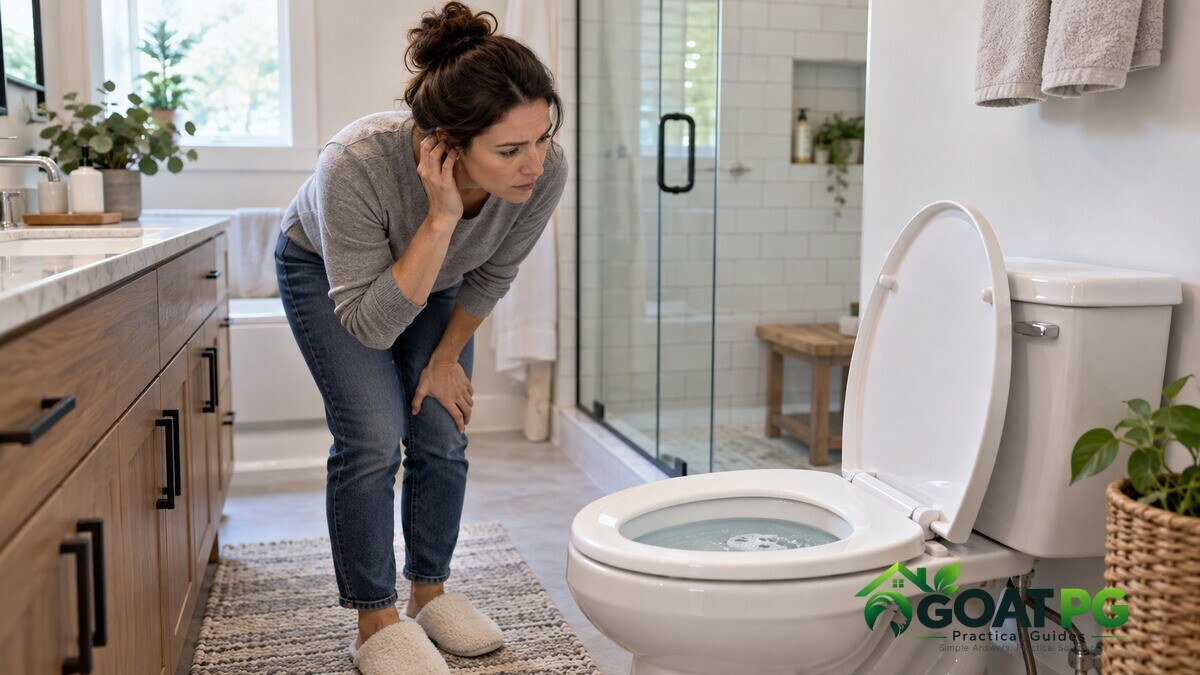
If you are wondering why is my toilet bubbling, the immediate reason is that moving wastewater changes the air pressure in a drain pipe. The most common causes are a partial toilet clog, a blockage farther down the bathroom drain, an obstructed vent stack, a restricted sewer lateral, municipal sewer work, or a septic system problem. If only one toilet is affected and it still drains normally, a careful plunging attempt may help. If several fixtures are slow, sewage is backing up, or the bowl water rises, stop using water and arrange professional service.
Table of Contents
What does a bubbling toilet mean?
Your drainage system needs both an open path for wastewater and a way for air to enter and leave the pipes. Water moving through a properly working drain carries air without disturbing the water held in each fixture trap. When the pipe is restricted or the vent cannot balance pressure, air may escape through the toilet bowl and create bubbles, gurgling, or a brief change in water level.
The timing provides an important clue. Bubbling during the toilet’s own flush often suggests a local restriction. Bubbling when a sink, shower, washing machine, or another toilet drains usually points to a shared drain or vent. Bubbling at multiple fixtures can indicate a main sewer or septic issue and deserves prompt attention.
When you ask why is my toilet bubbling, note exactly which fixture was running at the time. That simple detail often separates a toilet-only clog from a problem in a shared pipe.
Why is my toilet bubbling? 8 common causes
1. A partial clog in the toilet trap
A partial clog is the first possibility when only one toilet bubbles. Excess toilet paper, wipes, hygiene products, a small object, or waste can narrow the trapway without stopping every flush. Water squeezes past the obstruction and moves air through the bowl, producing a gulping sound or small bubbles.
For a single affected fixture, the answer to why is my toilet bubbling is often inside the toilet trap rather than the main sewer.
Watch how the toilet behaves after a normal flush. A weak swirl, slow emptying, water that rises before falling, or an unusually low final water level supports the local-clog theory. Avoid repeated flushing because a partial clog can become a complete blockage and overflow.
2. A blockage in the bathroom branch drain
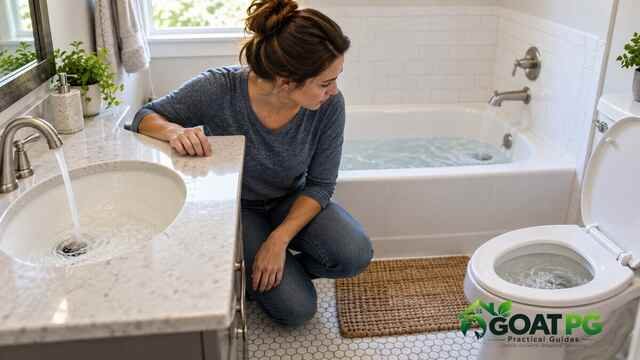
The toilet, tub, shower, and sink may connect to the same branch drain. Hair, soap residue, paper, or another obstruction downstream can affect more than one fixture. In this situation, the toilet may bubble when the shower drains or when you empty a full sink.
If why is my toilet bubbling only comes to mind when the tub empties, focus on the pipe those fixtures share.
Check whether nearby fixtures are also slow. If the tub makes noise when the toilet flushes, or the toilet bubbles when the sink runs, the restriction is probably beyond the toilet itself. The exact pipe layout varies by home, so a plumber may need to locate the shared section.
3. A clogged or poorly functioning plumbing vent
Plumbing vents usually extend through the roof and allow air to balance pressure in the drainage system. Leaves, animal nesting material, ice, or an installation problem can restrict a vent. Brevard County Utility Services notes that a clogged vent can cause gurgling sounds from a toilet.
A vent-related answer to why is my toilet bubbling becomes more plausible when trap water levels change or several fixtures gurgle without a clear local clog.
A vent problem may also change fixture water levels or allow sewer odor indoors. Do not climb onto a roof to inspect or clear a vent unless you are trained and equipped for roof work. A licensed plumber can inspect it from a safe access point and confirm whether the problem is a vent or a drain restriction.
4. A blockage in the home’s main sewer lateral
A home’s sewer lateral carries wastewater from the building to a municipal main or septic tank. Tree roots, grease, settled debris, damaged pipe, or foreign objects can restrict the line. When the main route is partly blocked, the toilet may become the first fixture to gurgle because it contains a large trap opening and is often located near the floor.
At this stage, why is my toilet bubbling is no longer just a toilet question; it may be an early warning from the entire drainage system.
Warning signs include several slow drains, bubbling in more than one bathroom, wastewater appearing in a tub or floor drain, and symptoms that worsen as more water is used. The City of Norman advises that a gurgling toilet can indicate a developing sewer backup. Stop using dishwashers, washing machines, showers, and other high-volume fixtures if water begins returning through a drain.
5. A municipal sewer problem or cleaning activity
When asking why is my toilet bubbling, remember that the cause is not always inside your home. A blockage in the public sewer, a high-flow condition, or sewer-cleaning equipment can change air pressure in nearby service lines. Municipal sewer jetting can temporarily make toilets and drains bubble as air moves through the system.
Ask whether neighbors are experiencing the same problem and check for a notice from your utility. If multiple homes are affected, contact the local wastewater department. If your house alone is affected, the restriction is more likely in your building drain or private lateral.
6. A septic system problem
For a home with a septic system, widespread gurgling can be a sign that the tank is full, the inlet or outlet is restricted, the drainfield is saturated, or another component is failing. The U.S. Environmental Protection Agency lists slow drains and gurgling plumbing among possible signs of septic system malfunction.
Look for sewage odor, damp or unusually green ground near the tank or drainfield, and several slow fixtures. Do not open a septic tank or enter the area above an unsafe lid. Reduce water use and contact a qualified septic service provider.
7. A damaged, sagging, or poorly installed drain pipe
A pipe with insufficient slope, a low spot, a shifted joint, root intrusion, or internal damage may hold water and debris. This creates a recurring restriction that temporarily improves after plunging or drain cleaning, then returns. Older homes, recently remodeled bathrooms, and properties with ground movement can be more vulnerable.
A camera inspection can show the condition and location of the pipe without guessing. If you also see staining, damp drywall, or unexplained odor, review the warning signs in our guide to water damage behind walls.
8. Too much paper or non-flushable material
Products labeled as wipes may not break apart like toilet paper. Paper towels, cotton swabs, floss, hygiene products, cat litter, cooking grease, and household trash should never be flushed. Even if an item passes through the toilet trap, it can catch farther down the line and contribute to a larger blockage.
Use only the amount of toilet paper the system can handle and flush waste in reasonable loads. A recurring problem after normal use may indicate a low-flow toilet issue, a restricted pipe, or an underlying drain defect rather than user behavior.
How to narrow down the cause safely
Before reaching for a tool, identify the pattern. A few controlled observations are more useful than repeatedly flushing a toilet that may overflow.
Write down what happened just before the noise. A precise timeline makes why is my toilet bubbling much easier for you or a plumber to diagnose.
- Stop if the bowl is rising. Remove the tank lid and push the flapper closed if a flush is still running. Turn the toilet’s supply valve clockwise if necessary.
- Check one nearby fixture. Run the bathroom sink briefly and watch the toilet. Do not fill a tub or use a washing machine for this test.
- Compare other bathrooms. A symptom at several fixtures suggests a shared branch, main line, vent, or septic issue.
- Notice odor and water level. Sewer odor, an empty trap, or water backing up changes the urgency.
- Ask when it started. Heavy rain, recent construction, sewer maintenance, or a flushed object may explain the timing.
If your toilet runs continuously rather than bubbling, use our separate guide to why a toilet keeps running. These problems can occur together, but the tank components that cause continuous running are different from the drain and vent conditions that usually cause bubbling.
Safe fixes you can try
1. Stop unnecessary water use
When why is my toilet bubbling becomes a whole-house question, the safest first action is to reduce the amount of wastewater entering the system. Pause laundry, dishwashing, long showers, and repeated flushing until you know whether the main drain is open. This can prevent a partial blockage from becoming a messy backup.
2. Use a flange plunger on a simple toilet clog
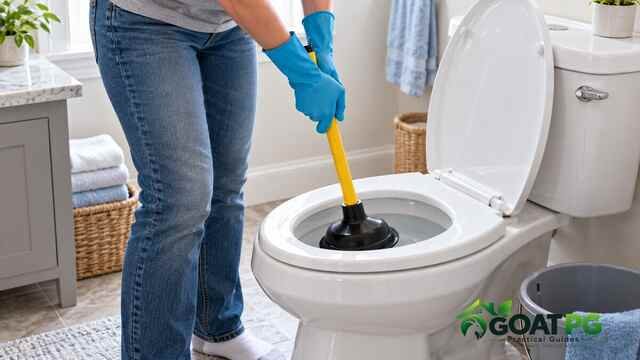
If the symptom is limited to one toilet, the bowl is not close to overflowing, and other drains work normally, try a flange plunger. The flange should extend into the drain opening and form a seal. Add enough water to cover the cup, press gently at first to release trapped air, then use several controlled strokes. Keep the plunger upright and avoid splashing.
Test with one flush only after the water level returns to normal. If it rises again, stop. Do not keep forcing water into the bowl.
3. Use a toilet auger only as directed
A toilet auger is designed to pass through the curved trap without scratching porcelain when used correctly. Follow the manufacturer’s instructions and keep the protective sleeve against the bowl. Never substitute a sharp wire, coat hanger, or ordinary drain snake that can damage the finish or become stuck.
If you suspect a hard object, if the auger will not advance, or if the clog quickly returns, arrange professional removal. Pushing an object deeper can turn a small repair into a branch-line problem.
4. Check for a dry trap in an unused fixture
A little-used shower, floor drain, or sink can lose water from its trap. A dry trap is more likely to cause odor than toilet bubbling, but refilling it helps seal the drain system. Run a small amount of water into the unused fixture. If the bathroom smells like sewage, follow our guide to bathroom sewer odors and treat persistent odor as a reason for investigation.
5. Contact the utility when several homes are affected
If neighbors report the same sudden bubbling or there is active sewer work nearby, call the wastewater utility. Give the address, when the symptom began, and whether wastewater has entered the home. The utility can tell you whether crews are cleaning a main or responding to a public blockage.
What not to do
- Do not keep flushing. Repeated tests can cause an overflow.
- Do not pour chemical drain cleaner into the toilet. It may damage components, create hazardous splashes, and expose a plumber to chemicals.
- Do not mix cleaners. Bleach, acids, ammonia, and drain products can release toxic gas or cause burns.
- Do not climb onto the roof to clear a vent. The fall risk and uncertainty about the blockage make this a professional task.
- Do not open a sewer cleanout under pressure. Wastewater can discharge suddenly.
- Do not treat sewage as ordinary water. The EPA explains that sanitary sewer overflows contain untreated or partially treated wastewater and can create health risks.
When should you call a plumber?
Call a licensed plumber promptly when the toilet bubbles every time another fixture drains, several drains are slow, plunging does not help, or the problem returns. Request urgent service if water backs up into a tub or floor drain, the toilet is close to overflowing, sewage odor is strong, or wastewater appears indoors.
For a private septic system, contact a qualified septic professional when gurgling is accompanied by slow drains, outdoor odor, soggy ground, or a maintenance interval that has been missed. For a municipal sewer connection, ask the plumber whether the obstruction is in the building drain, private lateral, or public main.
If a shower also has weak flow but drains normally, that is usually a separate supply-side issue. See why shower water pressure is low for safe checks.
How to prevent future bubbling
Prevention starts with remembering that why is my toilet bubbling is usually about restricted flow, poor venting, or excess pressure—not the porcelain fixture itself.
- Flush only human waste and toilet paper.
- Keep wipes, hygiene products, paper towels, floss, and litter out of the toilet.
- Address slow drains before they stop completely.
- Avoid sending grease and food scraps into kitchen drains.
- Keep records of sewer or septic inspections and repairs.
- Have recurring clogs camera-inspected instead of repeatedly treating symptoms.
- Maintain the septic tank and system on the schedule recommended for your household and local conditions.
- Ask a plumber to evaluate venting after major bathroom remodeling.
Frequently asked questions
Why is my toilet bubbling when I take a shower?
The shower and toilet probably share a drain or vent. As shower water moves through a restricted pipe, displaced air may escape through the toilet trap. Stop the test if either fixture backs up. A shared branch blockage or vent problem is more likely than a clog located only inside the toilet.
Why does my toilet bubble when the washing machine drains?
A washing machine releases a large volume of water quickly. Bubbling at that moment can reveal a restriction in the main building drain, sewer lateral, or septic system. Pause the washer and avoid more high-volume water use until the line is evaluated, especially if other drains are slow.
Can a clogged vent make a toilet bubble?
Yes. A vent restriction can prevent pressure from balancing as wastewater flows. However, a drain blockage can create very similar symptoms, so sound alone cannot confirm the vent. Safe diagnosis may require a plumber to inspect both the drain and vent system.
Will a bubbling toilet fix itself?
Temporary pressure from municipal sewer cleaning can pass, but a clog, damaged line, or septic problem usually will not repair itself. Symptoms may disappear when water use drops and return later. Treat recurring bubbling as evidence that the drainage system needs attention.
Is toilet bubbling an emergency?
A few bubbles from one normally draining toilet are not always an emergency. It becomes urgent when water rises, sewage backs up, several fixtures are affected, or strong sewer odor is present. Stop using water, keep people and pets away from contaminated areas, and call the appropriate plumber, septic provider, or utility.
Bottom line
The practical answer to why is my toilet bubbling is that air pressure in the drainage system is not balancing normally. Begin by noting which fixture triggers the sound and whether other drains are slow. A flange plunger may clear a simple one-toilet clog, but widespread gurgling, rising water, recurring symptoms, or sewage odor calls for professional diagnosis. Acting early is safer and usually less expensive than waiting for a full backup.