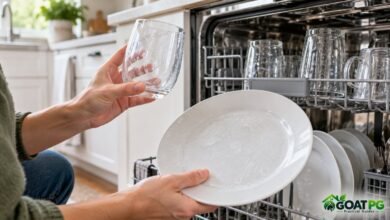
Why Does My Dishwasher Smell Bad? 9 Causes and Safe Fixes
Why does my dishwasher smell bad even after a full wash cycle? The most common causes are trapped food in the filter, grease around the door seal, standing dirty water, a restricted drain hose, or dishes left inside too long. A new-plastic odor can be normal for a recently installed machine, but sewage, burning, melting-plastic, or persistent musty smells need closer attention.
This guide helps you identify the odor before reaching for a cleaner. You will learn nine likely causes, a safe cleaning order, and the warning signs that mean the dishwasher or its plumbing should be checked by a professional.
Table of Contents
The Quick Answer
If you are asking why does my dishwasher smell bad, start with the parts that collect food and dirty water. Turn the appliance off, let hot parts cool, remove the lower rack, and inspect the filter area with gloves because broken glass may be hidden there. Clean only the removable parts described in the owner’s manual, wipe the door gasket, and confirm that the machine drains at the end of a cycle.
Do not pour random drain chemicals into the dishwasher. Never mix bleach or chlorine products with vinegar, ammonia, acids, or other cleaners. Follow the appliance manufacturer’s cleaning directions because stainless-steel interiors, seals, hoses, and filters can react differently to homemade remedies.
Bosch explains that food particles caught in the filter are a common source of dishwasher odors and recommends cleaning the filter and checking the spray arms. Its official dishwasher odor guidance also recommends using products and cycles approved for the specific machine.
First, Identify the Type of Dishwasher Smell
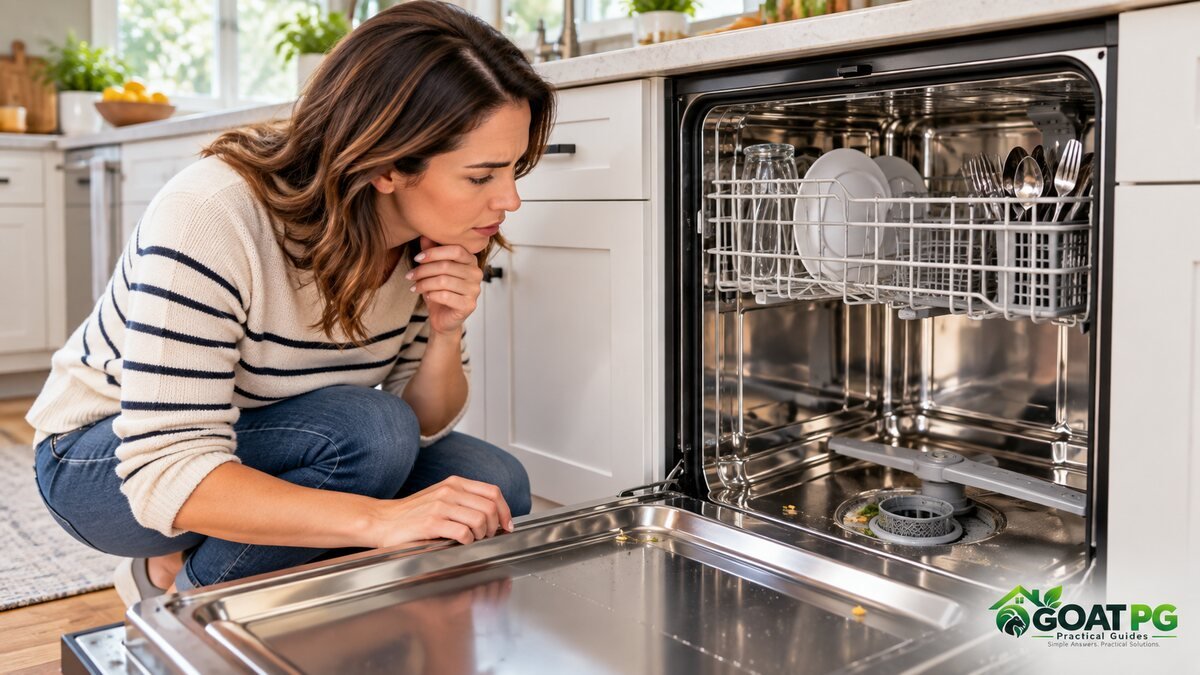
Odor is a useful clue. Open the dishwasher after it has been empty and cool for several hours. Smell near the tub, filter, door seal, and nearby sink without placing your face inside the appliance. Note whether the odor is sour, musty, sewage-like, plastic-like, fishy, or electrical.
Sour or Rotten-Food Odor
A sour smell usually points to food residue in the filter, sump area, spray arms, door lip, or gasket. It may be stronger after dirty dishes sit for several days. The fix is usually physical removal of the debris followed by the cleaning cycle recommended in the manual.
Musty or Damp Odor
A musty smell can develop when moisture and food film remain on seals or interior surfaces. Check whether the appliance is used infrequently, whether the door stays tightly closed between cycles, and whether water remains above the normal filter level.
Sewage or Drain Odor
A sewer-like odor may come from dirty water flowing back through an incorrectly routed drain hose, a blocked air gap, a sink drain problem, or a dry plumbing trap elsewhere. If the smell is strongest near the sink rather than inside the tub, read our guide to why a kitchen sink smells bad.
Burning, Hot-Rubber, or Melting-Plastic Odor
Stop the cycle and switch the dishwasher off. A plastic utensil may have fallen onto the heating area, but an electrical or motor fault can create a similar odor. Let the machine cool before looking for an obvious loose item. Do not touch wiring, remove fixed panels, or run another test if the smell appears electrical.
Why Does My Dishwasher Smell Bad? 9 Common Causes
1. Food Is Trapped in the Filter
The filter catches food particles so they do not return to the dishes. When residue stays wet between cycles, it can produce a sour or rotten odor. Some filters twist out for cleaning; others are not user-removable. Check the manual before forcing any part.
For many households wondering why does my dishwasher smell bad when the dishes look clean, the filter is the best first check. Whirlpool notes that visible soil, gritty dishes, reduced cleaning performance, and odors can all indicate that its removable filtration system needs attention.
2. Grease and Food Film Coat the Door Seal
The spray pattern may not fully wash the door edges, lower lip, and gasket folds. Grease and crumbs collect in these areas, especially when heavily soiled dishes sit overnight. Wipe accessible surfaces with warm water, mild dish soap, and a soft cloth if the manual permits it. Dry the folds afterward.
3. Dirty Water Is Not Draining Completely
Water remaining above the filter or across the tub floor can carry food odor. A small amount below the filter may be normal on some models because it protects seals, so compare the level with the manual. If a pool remains after every cycle, use our detailed guide to why a dishwasher is not draining.
4. The Drain Hose Is Kinked or Routed Incorrectly
The dishwasher drain hose generally needs the routing specified in the installation instructions, often a high loop or approved air-gap connection. Poor routing can allow sink water to flow back toward the appliance. GE’s official food and mildew odor guidance identifies dirty water between uses as a possible drain-hose installation issue.
If why does my dishwasher smell bad becomes a sewage-like question after the sink or garbage disposal is used, the shared drain connection deserves inspection. Do not disconnect plumbing unless you understand the model’s installation requirements and can contain wastewater safely.
5. The Sink Air Gap or Garbage Disposal Is Dirty
Some dishwashers drain through a counter-mounted air gap or a garbage-disposal inlet. Debris in either location can slow flow and transfer odor. Clean only accessible components as their manufacturer directs. If the disposal hums but does not turn, use our guide to a humming garbage disposal rather than putting a hand or tool into it.
6. Dirty Dishes Sit Too Long
Waiting for a full load saves water, but moist food residue can smell after several days. Scrape large particles, follow the manual’s advice on pre-rinsing, and use a rinse-only cycle if the appliance provides one. Frigidaire notes in its dishwasher odor support that leaving soiled dishes too long can create odor.
7. Spray Arms or the Pump Inlet Hold Debris
Seeds, paper labels, bits of plastic, and food can lodge in spray holes or around the pump inlet. Reduced water movement leaves more soil behind. Remove only user-serviceable spray arms, and use the gentle method specified by the manufacturer so the holes are not enlarged or damaged.
8. The Dishwasher Needs an Approved Maintenance Cycle
Grease and mineral film can build up even when the filter is clean. Run the machine-cleaning or hottest empty cycle only as the manual directs, using an approved product if one is recommended. A guide written for a different brand may not be safe for your tub material, seals, or detergent system.
9. The Smell Comes From a New Part or an Electrical Fault
A mild manufacturing or new-plastic smell may fade during the first several cycles. A sharp burning, fishy, smoky, or melting odor is different. Stop using the appliance, disconnect power safely if you can do so without touching damaged components, and arrange qualified service.
When why does my dishwasher smell bad is paired with heat, smoke, sparks, repeated breaker trips, or a hot power cord, treat it as an electrical warning rather than a cleaning problem.
How to Clean a Smelly Dishwasher Safely
1. Empty the Machine and Read the Manual
Remove dishes, locate the model number, and review the filter, spray-arm, drain, and cleaning-cycle instructions. Turn off the appliance and allow the interior to cool before touching components near the bottom.
2. Inspect the Tub and Door Area
Wear gloves and use a flashlight. Pick up visible food, labels, toothpicks, or broken pieces carefully. Check beneath the lower door edge and inside gasket folds. Do not reach blindly into the sump or pump area.
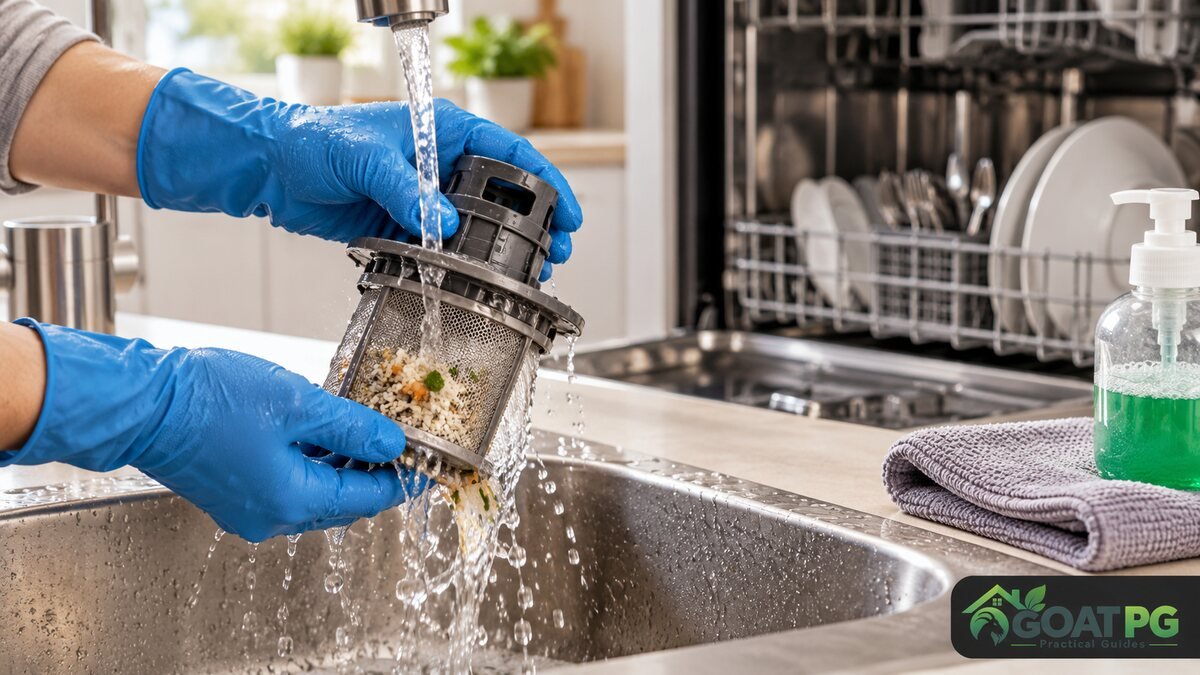
3. Clean the Filter
Remove the filter exactly as the manual shows. Empty debris into the trash, rinse the screen under running water, and use a soft brush with mild soap only if allowed. Avoid wire brushes that can damage the mesh. Reinstall and lock every piece securely before operating the machine.
This is the most useful step when why does my dishwasher smell bad is accompanied by food specks or gritty dishes. Cleaning the filter removes the odor source instead of covering it with fragrance.
4. Wipe the Gasket and Door Lip
Use a soft damp cloth and a small amount of mild dish soap on compatible surfaces. Work around the gasket folds and lower lip without pulling or stretching the seal. Wipe again with clean water and dry the area.
5. Check the Spray Arms
Rotate each arm by hand to confirm it moves freely. Look for visible debris in the jets. If the manual allows removal, rinse the arm and clear holes gently with the recommended non-damaging tool. Reinstall it firmly.
6. Confirm That the Dishwasher Drains
Run a short rinse or drain function and check the tub after it ends. Listen for the drain pump, and watch the sink or disposal connection for backup. Do not use a chemical sink drain opener in the dishwasher. Persistent standing water needs drainage troubleshooting, not a stronger fragrance.
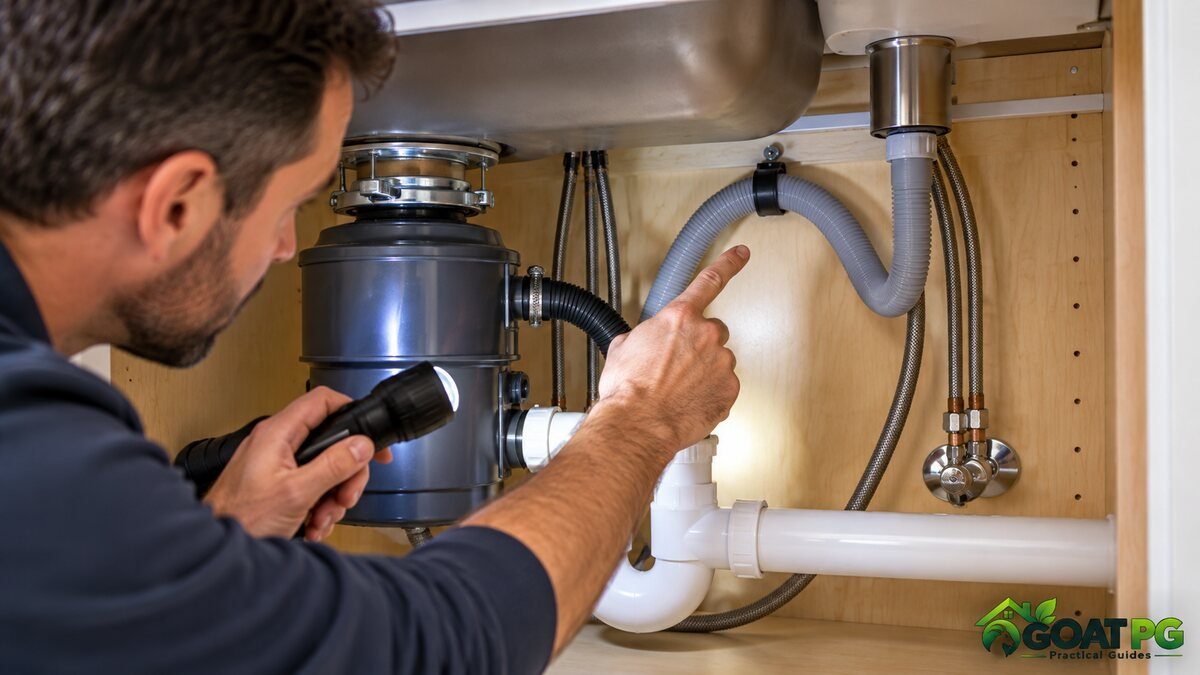
7. Inspect the Drain-Hose Route
Look under the sink for a kink, crushed section, low sag, loose connection, or missing high loop where the installation instructions require one. Do not alter the hose based only on a generic diagram. Plumbing codes and appliance designs differ, so compare the setup with the model’s installation guide or call a qualified installer.
8. Run the Approved Cleaning Cycle
After physical debris is removed, run the manufacturer’s recommended empty cleaning cycle. Use only the approved cleaner and dose. Whirlpool’s dishwasher smell guide recommends cleaning the filter, wiping gasket seals, and addressing drain-hose problems if odor continues.
9. Air and Recheck the Machine
When the cycle is complete and the interior is safe to touch, wipe remaining moisture from the gasket area. Leave the door slightly open only if the manual allows it and it creates no child, pet, or trip hazard. Recheck the odor after several hours.
If you still ask why does my dishwasher smell bad after the filter, seals, drain, and approved cycle are clean, stop repeating treatments. A pump, hose, check valve, heater, wiring component, or plumbing connection may need service.
How to Prevent Dishwasher Odors
- Scrape large food particles before loading.
- Do not leave heavily soiled dishes inside for several days.
- Use a rinse-only cycle when appropriate for the model.
- Clean the filter on the manufacturer’s schedule.
- Keep spray arms free and able to rotate.
- Use fresh automatic-dishwasher detergent in the recommended amount.
- Check that each cycle finishes and drains normally.
- Wipe the gasket and lower door lip regularly.
- Run the approved maintenance cycle at the recommended interval.
Odor prevention also improves washing performance. If the dishwasher leaves a chalky film rather than a smell, see our guide to why a dishwasher leaves white residue. The causes overlap in a few areas, but mineral film and trapped food require different corrections.
Once you understand why does my dishwasher smell bad, the routine is simple: remove food before it decays, keep water moving freely, and use only maintenance methods approved for the appliance.
A Five-Minute Odor Checklist
Before running another cycle, smell near the sink and disposal, inspect the filter, look for standing water above the normal level, rotate the spray arms, and wipe the lower door edge. Confirm that no plastic item has fallen near the heating area. These checks separate an ordinary food odor from a drain or electrical problem.
If why does my dishwasher smell bad seems connected to a nearby appliance, run water at the sink and note whether the odor changes. A shared drain problem may affect the dishwasher, disposal, and sink together.
What Different Results Mean
If the smell disappears after filter cleaning, trapped food was probably the source. If it returns only after the sink drains, inspect the hose routing, air gap, and shared plumbing. If it appears only during the heated part of a cycle, look for fallen plastic and stop using the dishwasher if the odor is sharp or electrical.
A useful answer to why does my dishwasher smell bad should match the timing and location of the odor. Do not keep adding cleaner when the evidence points to dirty-water backup or a failing component.
When to Call a Plumber or Appliance Technician
Call a plumber when dirty sink water backs into the dishwasher, the air gap repeatedly overflows, several drains smell or move slowly, or the hose connection does not match local installation requirements. Call an appliance technician when the machine fails to drain despite clear accessible components, leaks, overheats, displays a recurring error, or produces grinding, burning, or electrical odors.
Stop using the dishwasher immediately if you see smoke, sparks, scorched wiring, melted insulation, or water near electrical parts. Do not remove fixed panels or test energized components. If why does my dishwasher smell bad has become a safety concern, cleaning should wait until the appliance is inspected.
Frequently Asked Questions
Why does my dishwasher smell bad even though the filter is clean?
Check the lower door lip, gasket folds, spray arms, pump inlet, standing-water level, air gap, and drain-hose route. Odor may also enter from the sink or disposal connection. If accessible parts are clean and the odor persists, arrange model-specific service.
Can I put vinegar in my dishwasher?
Use vinegar only if the appliance manufacturer specifically approves the method for your model. Acid can affect some seals, metals, finishes, and natural-stone surfaces. Never combine vinegar with bleach, chlorine detergent, ammonia, or another cleaner.
Can I use bleach to remove a dishwasher odor?
Do not use bleach unless the manufacturer explicitly permits it for the tub material and the current products in the machine. Bleach can damage stainless steel and creates dangerous gas when mixed with acids or ammonia. Physical removal of debris is the safer first step.
Why does the dishwasher smell like sewage?
Dirty water may be flowing back through the drain connection, or the odor may originate in the sink, disposal, air gap, or plumbing trap. Check the installation guide and call a plumber if multiple fixtures are affected or wastewater backs up.
Is a small amount of water under the filter normal?
It can be normal on some models because water protects seals from drying. Water covering the tub floor or remaining above the filter is different. Compare the level with the owner’s manual and investigate if it is dirty, excessive, or increasing.
Why does my new dishwasher smell like plastic?
A mild new-appliance odor can fade after several normal cycles. Stop using the machine if the smell is sharp, smoky, electrical, accompanied by unusual heat, or becomes stronger rather than weaker.
How often should I clean the dishwasher filter?
Use the schedule in the owner’s manual because filter designs and household use vary. Frequent loads, heavy food soil, and non-rinsed dishes may require more frequent inspection than light use.
Final Takeaway
The best answer to why does my dishwasher smell bad starts with the odor source, not a stronger fragrance. Check trapped food, door seals, standing water, spray arms, and drain routing in a safe order. Clean removable parts according to the manual and run only an approved maintenance cycle.
For most homes, solving why does my dishwasher smell bad requires a clean filter and unrestricted drainage. Burning or electrical odors, recurring sewage backup, leaks, and persistent standing water deserve professional diagnosis.