Why Do My Clothes Smell Sour After Washing? 9 Causes and Fixes
Why do my clothes smell sour after washing? A sour, stale, or fermented odor usually means moisture and soil remained in the fabric long enough for odor-causing microorganisms to multiply. Common triggers include leaving a finished load in the washer, overloading the drum, using too much detergent, a dirty washing machine, incomplete rinsing, or drying clothes too slowly.
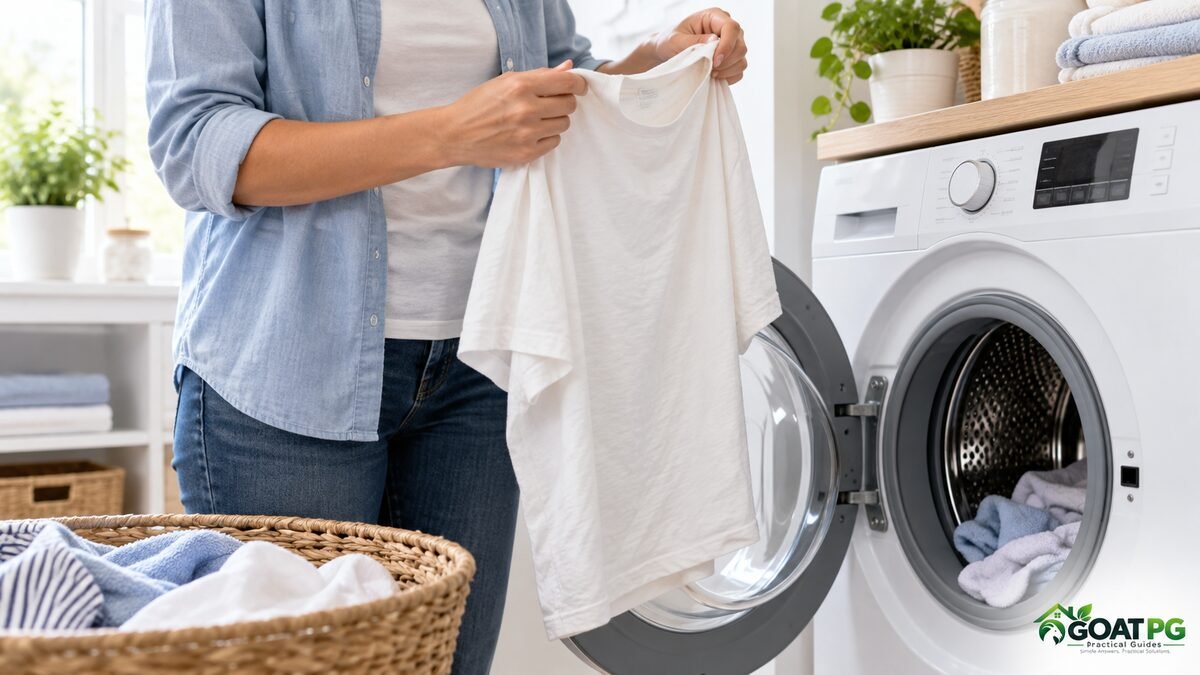
The right solution depends on where the odor starts. Smell one item as soon as the wash ends, check the empty washer, and notice whether the odor appears only after drying or storage. This quick comparison can prevent repeated rewashing and unnecessary use of stronger products.
Quick answer: how to fix sour-smelling laundry
- Remove the load as soon as the cycle finishes.
- Rewash it promptly using the care label and washer instructions.
- Use the correct detergent type and measured dose.
- Choose enough space, water, and rinsing for the load.
- Dry every item completely before folding or storing it.
- Clean the washer if the empty drum, gasket, or dispenser smells.
Never mix bleach with vinegar, ammonia, alcohol, acids, or other cleaners. If a product is not listed in your washer manual or on the garment care label, do not assume it is safe.
Why do my clothes smell sour after washing? 9 common causes
1. The wet load sat in the washer too long
Warm, damp fabric inside a closed drum creates favorable conditions for odor to develop. The problem can begin within hours, especially in hot or humid weather. A load may smell clean when the door first opens but become sour as the fabric warms or begins to dry.
Move laundry to the dryer or clothesline promptly. If the odor is already noticeable, rewash the load instead of masking it with fragrance. Set a phone timer or use the washer’s end-of-cycle notification if you often forget finished loads.
2. The washer was overloaded
Clothes need room to move through wash water and rinse water. A tightly packed drum can trap body oils, detergent, and soil inside folded areas. Heavy cotton items absorb a great deal of water and can make an apparently moderate load behave like an overloaded one.
Follow the machine’s load guidance rather than pressing clothing down to make it fit. Mix items of similar weight, and wash bulky towels, bedding, or sweat-heavy clothing in appropriately sized loads. If some areas of a garment remain almost dry after a wash begins, the load may be too crowded.
3. Too much detergent left residue in the fibers
More detergent does not always produce cleaner laundry. An excessive dose can be difficult to rinse away, particularly in a high-efficiency washer or with soft water. Residue holds body oil and soil, makes fabric feel stiff or greasy, and can create a sour smell after the item becomes damp again.
Measure detergent according to the product label, load size, soil level, water hardness, and washer type. Use only detergent marked for high-efficiency machines when the appliance requires it. If you suspect buildup, run a normal rewash with the correct small dose rather than adding several different cleaners.
4. Too little detergent or the wrong cycle left soil behind
Under-dosing can also cause odor. Workout clothes, socks, kitchen textiles, and garments exposed to body oil may need a cycle and detergent dose suited to heavier soil. A very short cold cycle may not be enough for every fabric or load.
Read the garment label first, then select the warmest water and strongest cycle that the fabric safely allows. Do not use hot water on wool, delicate fibers, elastic, dark dyes, or items whose labels prohibit it. Separate heavily soiled items from lightly worn clothes so each load receives appropriate treatment.
5. The washing machine itself smells
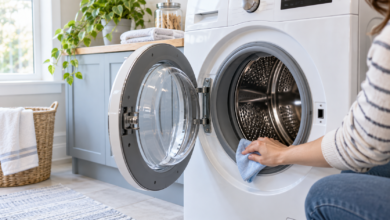
Detergent residue, lint, hair, soil, and standing moisture can collect in a door gasket, dispenser, filter, agitator area, or drain path. A clean-looking drum can still have buildup in hidden parts. If the empty washer smells sour or musty, it can transfer that odor to otherwise clean clothes.
Inspect and clean only the parts identified in the owner’s manual. Wipe accessible gasket folds, rinse removable dispensers, and run the manufacturer’s tub-clean cycle with its approved cleaner. Front-load doors and dispensers may be left ajar between loads when the manual permits it.
For a deeper appliance checklist, see our guide to why a washing machine smells.
6. The load did not rinse or drain correctly
Weak water flow, a kinked drain hose, an interrupted cycle, a clogged filter, or too many suds can leave dirty wash water behind. Clothes may feel unusually slippery, heavy, or coated when the cycle ends. A recurring drain error or standing water points to an appliance problem rather than a clothing problem.
Confirm that the cycle completed and that the drum is empty of water. Check only accessible hoses and filters described in the manual. Stop using the washer if it leaks, trips a breaker, smells hot, or repeatedly fails to drain; contact a qualified appliance technician.
7. Body oils and synthetic fibers are holding odor
Polyester and other performance fabrics can retain oily soil more stubbornly than many natural fibers. Fabric softener may coat moisture-wicking material and make odor harder to remove. Repeated quick washes can allow a residue cycle to build over time.
Turn workout clothing inside out, wash it soon after use, and follow its care label. Use a detergent intended for the fabric and avoid softener when the label warns against it. Do not soak mixed colors or technical fabrics in an improvised chemical solution; dyes, finishes, elastic, and water-repellent coatings can be damaged.
8. Clothes dried too slowly or were stored slightly damp
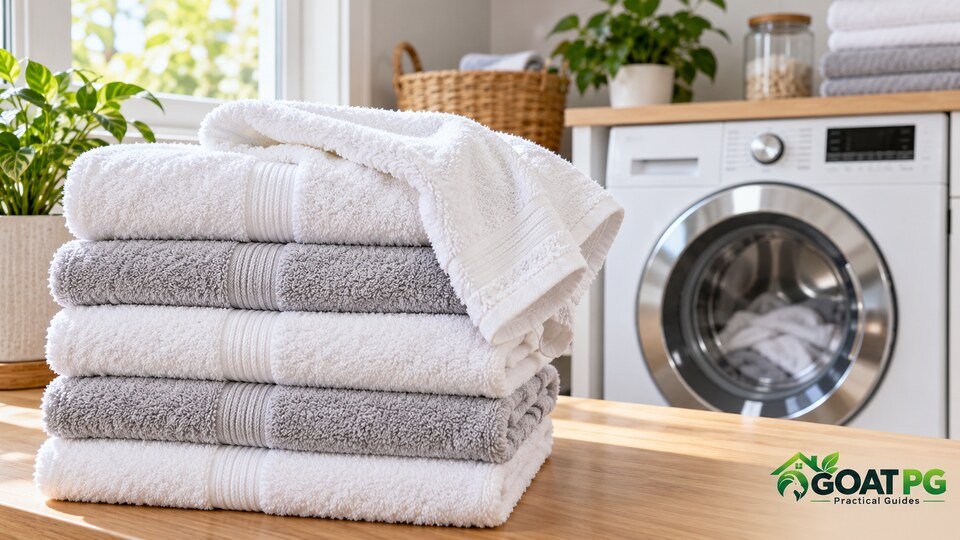
Laundry can leave the washer clean and develop a sour smell later if it remains damp in a crowded dryer, on an indoor rack with poor airflow, or inside a basket. Thick seams, waistbands, pockets, towels, and hoodies often stay wet longer than the rest of the item.
Shake pieces apart before drying, avoid overloading the dryer, and improve safe ventilation around an indoor rack. Check thick sections before folding. Never store an item that feels cool and damp. If towels are the main problem, use our separate guide on why towels smell after washing.
9. The hamper, closet, or storage area is adding the odor
A closed hamper containing damp gym clothes or towels can sour before wash day. Clean laundry can also absorb odor from a humid closet, damp shelf, dirty basket, or neighboring shoes. If clothes smell fine after drying but bad the next morning, investigate storage conditions.
Let sweaty or wet items dry before placing them in a hamper, clean the hamper according to its material, and avoid packing closets tightly. Correct leaks, condensation, or persistent humidity instead of relying on air fresheners. Mold growth on walls or porous materials may require professional assessment.
How to remove a sour smell from clothes safely
Step 1: check the care labels
Separate items by color, fabric, and washing instructions. Clothing labeled dry-clean only, leather, suede, wool, silk, or heavily embellished fabric may need specialist care. Test colorfastness before using any approved stain or odor product.
Step 2: identify whether the washer is the source
Smell the empty drum, gasket, dispenser, and a clean towel washed separately. If every load has the same odor, clean and inspect the machine before repeatedly treating the clothes. If only a few garments smell, focus on their fabric, soil, drying, and storage history.
Step 3: rewash with the correct detergent dose
Use the detergent type required by the washer and measure it rather than pouring by eye. Choose a cycle that matches the load and the warmest temperature allowed by every care label. The American Cleaning Institute’s cleaning guidance emphasizes following product labels and fabric-care directions rather than improvising combinations.
Step 4: add an extra rinse only when useful
An extra rinse can help when detergent residue or excess suds are suspected, but it is not a substitute for correct dosing. If the washer consistently leaves detergent behind, check water supply, load size, detergent type, and appliance performance.
Step 5: dry immediately and completely
Transfer the load as soon as the cycle ends. Use the drying method permitted by the label, keep items separated enough for airflow, and check thick areas before storage. Sunlight and outdoor air may help some washable items, but bright sun can fade colors and is not suitable for every fabric.
Step 6: repeat once, then investigate
If one correct rewash does not remove the odor, stop adding more products. Persistent odor may reflect deep residue, contaminated storage, a drain problem, or fabric damage. Follow the garment manufacturer’s advice or use a professional cleaner for valuable items.
Can you use vinegar, baking soda, or bleach?
These products are not interchangeable, and “natural” does not mean universally safe. Vinegar can affect some washer components, stone laundry surfaces, dyes, and finishes. Baking soda can leave residue when used excessively. Chlorine bleach can discolor fabric, weaken fibers, and produce dangerous gas when mixed with acids or ammonia.
Use a laundry additive only when both its label and the washer or garment instructions allow it. Add it to the designated compartment and use the stated amount. Never combine products in the drum or dispenser, and never pour household drain cleaner into a washing machine.
How to prevent clothes from smelling sour
- Wash damp workout gear, towels, and swimwear promptly.
- Do not leave finished loads in a closed washer.
- Measure detergent for the machine, water hardness, and load.
- Leave enough drum space for movement and rinsing.
- Clean the gasket, dispenser, filter, and tub as the manual directs.
- Dry thick seams, pockets, and waistbands completely.
- Keep hampers and closets clean, dry, and ventilated.
- Service recurring drainage, heating, or rinse problems.
When to replace an item or call a professional
Discard or professionally evaluate fabric that has visible mold growth, floodwater contamination, chemical exposure, or an odor that returns immediately despite correct washing and complete drying. Follow local guidance for contaminated textiles rather than mixing disinfectants at home.
Call an appliance technician if the washer retains water, displays repeated errors, leaks, makes grinding noises, smells electrical, or leaves every load sour after the accessible parts have been cleaned. A plumber may be needed if a household drain backs up or sewer odor enters the laundry area.
Frequently asked questions
Why do clothes smell sour only after they dry?
Heat and evaporation can make trapped residue more noticeable. Slow drying, an overloaded dryer, or slightly damp storage can also create new odor after the wash. Check detergent dose, rinsing, airflow, and thick fabric areas.
Should I wash sour-smelling clothes again?
Yes. Rewash them promptly using the garment label, the correct detergent dose, and a suitable cycle. Do not simply spray fragrance over the odor because it does not remove the underlying residue or moisture problem.
Why do only my workout clothes smell?
Synthetic performance fibers can retain oily soil, and softener may interfere with moisture-wicking finishes. Turn the garments inside out, wash them soon after use, follow their labels, and use an appropriate detergent without unapproved additives.
Can too much detergent make laundry smell bad?
Yes. Excess detergent may not rinse away completely. The residue can hold soil and moisture, creating a sour or musty smell. Measure the dose and consider an extra rinse if the fabric feels coated.
How long can wet clothes stay in the washer?
Move them as soon as practical. There is no single safe time for every climate and fabric; warmth, humidity, soil, and washer cleanliness all matter. If a load has developed any stale or sour odor, rewash it before drying.
Why does clean laundry smell bad in the closet?
The items may have been stored slightly damp, or the closet may have humidity, poor airflow, shoes, damp wood, or a hidden leak. Remove the clothes, dry the space, investigate moisture, and return only fully dry items.
Bottom line
If clothes smell sour after washing, begin with time, load size, detergent dose, washer cleanliness, rinsing, drying, and storage. Correct one cause at a time and follow the fabric, detergent, and appliance instructions. A recurring odor across every load is a sign to inspect the washer or drainage system rather than repeatedly adding stronger cleaners.