Millions of smartwatch glucose data readings are inaccurate. Learn why fake measurements risk patient safety and how to identify reliable devices.
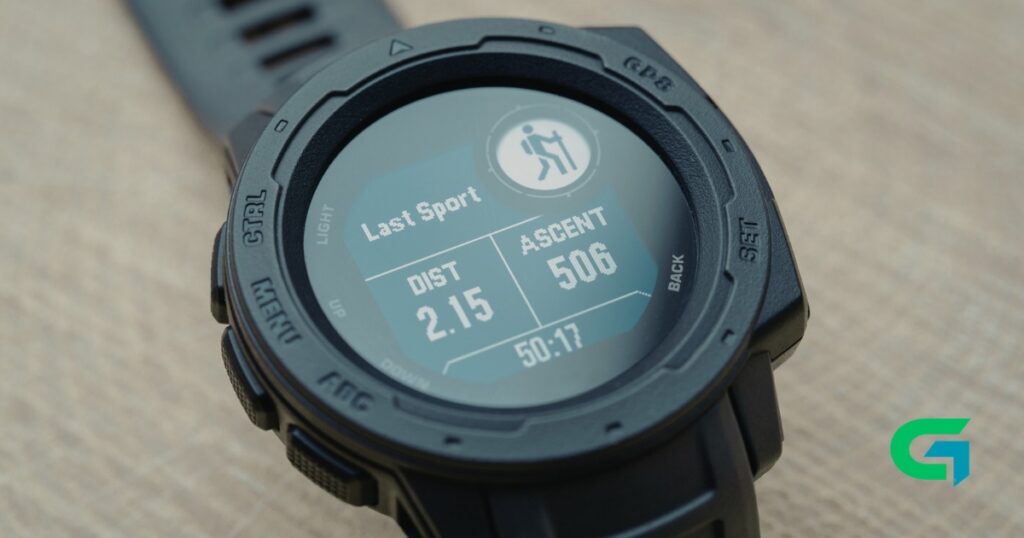
Millions of smartwatch glucose data readings are inaccurate. Recent investigations reveal that millions of smartwatches worldwide display glucose data that have no scientific basis, raising serious concerns about the reliability and safety of these devices for people managing diabetes. As interest in wearable health tech surges, understanding the pitfalls of smartwatch glucose monitoring becomes essential for consumers and healthcare providers alike.
Why People Are Talking About Smartwatch Glucose Data
The promise of continuous glucose monitoring through a smartwatch is alluring a convenient, non-invasive way to track blood sugar levels without needles or external sensors. This appeal has led to a surge in devices claiming to offer such functionality, often marketed as wellness tools for diabetes management.
However, a recent probe conducted by Germany’s Federal Network Agency uncovered critical flaws in these claims. Analyzing around 7.7 million electronic devices, the agency identified numerous smartwatches providing glucose measurements that bear no connection to actual blood sugar levels. Instead, these watches rely on inaccurate sensors or internal estimates, passing off simulated data as genuine health metrics.
This revelation sparked widespread discussion in the tech and medical communities because false glucose readings can dangerously mislead users making health decisions based on seemingly real-time data.
Smartwatch Glucose Data: What’s New in the Investigation
This investigation is the most extensive crackdown so far addressing smartwatch glucose data accuracy. Key findings include:
– Approximately 1,266 questionable online listings were flagged, representing nearly 5 million devices worldwide. Although this marks an 11.2% drop from the prior year, the scale remains staggering.
– Physical store inspections revealed that 58% of 2,400 tested smartwatches failed to meet legal requirements, implicating nearly 1.9 million physical retail units.
– Some defective devices even emitted electromagnetic interference beyond acceptable limits, posing additional safety risks.
– Customs authorities intercepted 359,000 non-compliant smartwatches after inspecting over 8,200 shipments highlighting global challenges in controlling product quality.
One infamous example is the Kospet iHeal 6 model, previously exposed for displaying glucose values drastically divergent from validated medical devices, reaching error margins that could compromise therapeutic treatments.
Medical experts reaffirm that, at present, accurate glucose monitoring requires invasive blood tests or the use of dedicated Continuous Glucose Monitoring (CGM) sensors externally applied to the body. No smartwatch on the market currently possesses validated technology for direct glucose measurement.
What Consumers Need to Know About Smartwatch Glucose Data
For people managing diabetes or monitoring glucose for health reasons, relying on smartwatches alone for glucose readings is risky and potentially harmful. The ongoing sale of low-cost gadgets, especially via online marketplaces, perpetuates misinformation around what these devices can legitimately deliver.
To protect your health:
– Verify whether your smartwatch model is certified and compliant with medical device regulations.
– Be skeptical of claims about blood glucose tracking if the device does not use an approved CGM sensor.
– Consult healthcare professionals before making any treatment decisions based on smartwatch data.
– Keep updated on regulatory announcements concerning electronic health monitors.
Governments and regulatory agencies worldwide are striving to improve oversight of health-related smart devices. This serves as a crucial reminder that biometric data displayed on consumer electronics must be backed by sound science and proper certification to be trusted.
The Future of Glucose Monitoring on Smartwatches
Despite current limitations, the integration of glucose monitoring into wearable tech remains a highly sought-after goal. Advances in sensor technology and non-invasive measurement methods may eventually enable reliable glucose tracking on consumer smartwatches. For now, however, users must approach glucose data on these devices cautiously.
The German investigation underlines that healthcare decisions hinge on accuracy, not convenience. Until proven technologies become mainstream, using smartwatch glucose data as a substitute for established medical testing could have serious consequences.
By understanding these issues and demanding transparency from manufacturers, consumers can help drive the development of trustworthy devices and avoid falling victim to misleading claims.
Read also : LineageOS 23.2 Expands Android 16 to More Devices with Material Expressive
Millions of smartwatch glucose data readings are inaccurate, but staying informed ensures safer health management. Always prioritize certified technology over flashy features when it comes to your wellbeing.