LG ends 8K TV development, leaving Samsung as the only major player. Discover what this means for the future of 8K TVs and the market outlook.
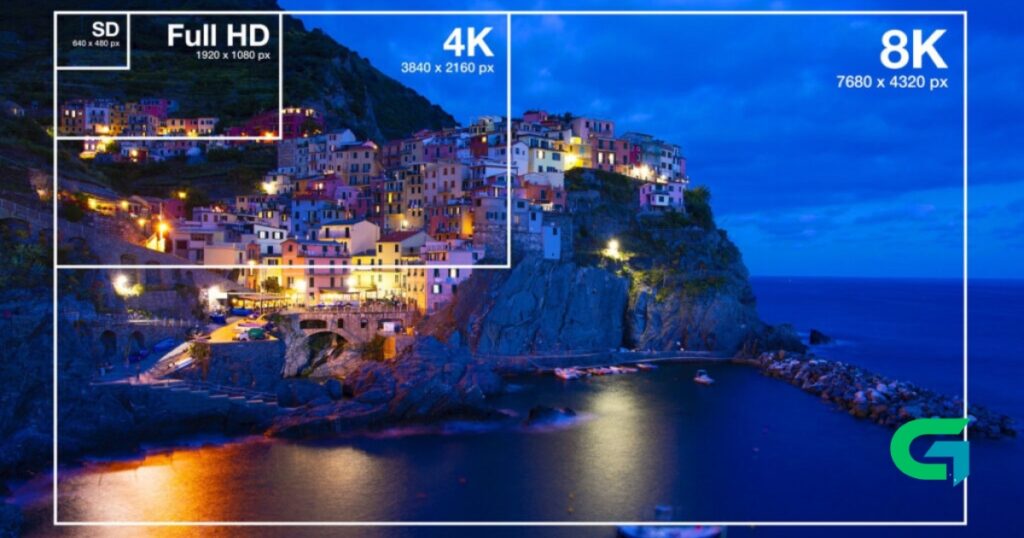
LG Ends 8K TV Development: Changing the Landscape of 8K TV Development
The recent announcement that LG has ceased 8K TV development marks a pivotal moment in the evolution of 8K TVs. This move adds clarity to a market that has struggled with high prices, lack of content, and uncertain consumer demand. The focus keyword “8K TV development” is essential to understand this changing dynamic and what it signals for the tech industry and consumers alike.
For years, 8K TV development was touted as the natural next step in ultra-high-definition television, especially for premium home theater setups. LG, a pioneer in this field, invested heavily in advancing 8K technology across LCD and OLED panels. Flagship models like the 88-inch LG OLED Z9, introduced in 2019 with an eye-watering price of around €30,000, showcased the brand’s commitment to pushing resolution boundaries. Yet, despite continuous updates in the Z series through 2025, LG’s 2026 lineup completely omits 8K models, signaling a strategic shift.
The Current State of 8K TV Development: Context and Background
The trajectory of 8K TV development has been uneven, influenced by technical feasibility and practical realities. Technically, 8K maintains no inherent structural limitations; pixel density beyond 80 inches delivers impressive clarity and sharpness when paired with native 8K content. However, the main challenges faced by 8K TV development have been economic and content-related.
Consumers have been confronted with premium-priced 8K models alongside a glaring absence of native 8K video content. The industry’s reliance on upscaling lower resolution footage to 8K, often marketed as a universal picture enhancement, has led to confusion and disappointment among buyers. This diluted the actual benefits of owning an 8K TV, causing skepticism in the marketplace.
Meanwhile, advancements in 4K TV technology have accelerated rapidly. Innovations like Mini LED backlighting, OLED MLA (Micro Lens Array), and emerging QD-OLED display panels deliver stunning video quality improvements at more accessible prices. These technologies elevate 4K viewing experiences, diminishing the practical allure of 8K TVs and undermining further investment in 8K TV development.
LG Ends 8K TV Development: Features and Market Changes
LG’s suspension of 8K TV development translates into the removal of all 8K models from their official lineup, at least for now. This exit doesn’t mean a permanent cancellation; LG has indicated a possible return if market conditions become more favorable. Nevertheless, this decision follows earlier withdrawals by other big players: Sony exited the 8K market last year, TCL pulled out in 2023, and Hisense now holds an uncertain position.
Furthermore, companies like Panasonic and Philips never fully committed to 8K TV development, focusing instead on strengthening their 4K offerings. Today, Samsung stands nearly alone as the last major brand continuing to launch new 8K TVs, with models like the QN990H series slated for release this year. Samsung’s continued leadership offers some hope for 8K TV development but also highlights the niche status of the technology.
Impact on Users and Industry from 8K TV Development Suspension
Consumers will likely feel the impact of LG’s withdrawal in several ways. With fewer options on the market, buyers interested in 8K TVs face limited competition and potentially higher prices. More importantly, the broader hesitation among manufacturers confirms that 8K TV development isn’t considered essential for average users at this stage.
For the industry, LG’s decision is a clear signal that 8K TV development must overcome significant hurdles before becoming mainstream. The lack of abundant native 8K content and the cost barrier currently outweigh the incremental benefits of higher resolution. Moreover, recent technical improvements in 4K displays satisfy most consumer demands for picture quality, pedestrianizing the immediate need for 8K adoption.
Future Outlook for 8K TV Development and Technology
Looking ahead, 8K TV development may experience a “second coming” rather than immediate widespread adoption. The technology will likely remain focused on ultra-large displays in niche markets or specialized commercial applications until content ecosystems catch up. Key future drivers include the emergence of more native 8K content, affordable production methods, and further breakthroughs in display technology that can lower costs.
Samsung’s continued investment in 8K hints at a long game strategy, positioning themselves as early leaders if the market rebounds. Meanwhile, LG’s position leaves the door open for a possible return, contingent on demand growth or technological innovations that address the current drawbacks. Until then, 4K TVs enhanced with the latest display improvements remain the mainstream standard.
Read also : YouTube Free Browser Background Play for Android Users
LG’s ending of 8K TV development firmly reshapes the 8K TV market and signals significant reconsiderations in the industry’s approach to the technology. With the focus keyword “8K TV development” appearing early and often, it is clear that the suspension reflects broader challenges: high costs, sparse native content, and strong competition from advanced 4K alternatives.
For consumers and the technology sector alike, this development underlines the importance of realistic expectations around 8K TVs over the near to mid-term future. While 8K TV development is not dead, it has paused and awaits conditions that could reignite interest and innovation. Until then, premium 4K displays lead the market, benefiting from continuous enhancements that deliver outstanding viewing experiences without the steep compromises of current 8K alternatives.
For the latest updates on advancements in Android apps, AI integration, and display technologies, staying informed on market shifts like LG’s withdrawal from 8K TV development is crucial for tech enthusiasts and professionals worldwide.
Explore more on cutting-edge display technologies and AI innovations in tech.