
Google Identity Check Is Expanding Across Android Apps
Google Identity Check is about to play a much bigger role in protecting Android users from device theft and unauthorized access. Google is preparing to extend this advanced security feature beyond system settings, bringing stronger biometric protection to sensitive apps like banking services and password managers.
The move is part of Google’s broader effort to make stolen Android devices far less useful to criminals while keeping legitimate users in control of their data.
Why Phone Theft Is a Growing Security Risk
Modern smartphones store nearly every part of our digital lives. From financial apps and saved passwords to private messages and home controls, a lost phone can expose far more than just hardware.
Google has steadily expanded Android’s anti-theft tools over the years, focusing on tracking, automatic locking, and access restrictions. The latest updates build on that foundation by tightening security around the most sensitive actions a user can take.
What Identity Check Does on Android
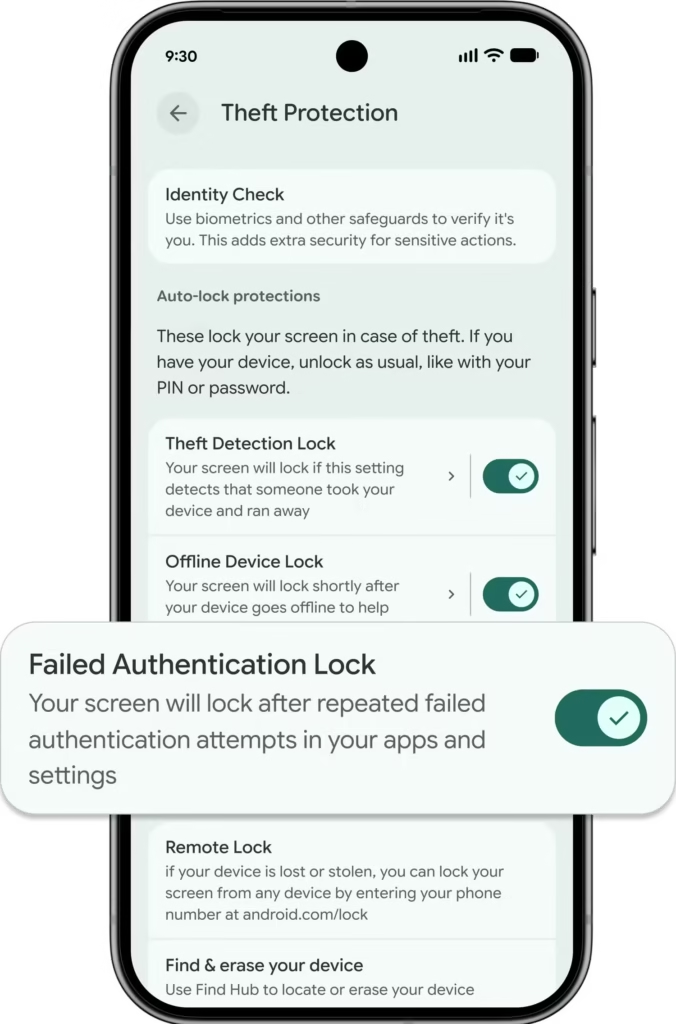
Identity Check was introduced as part of Android’s advanced protection features. It requires biometric verification such as a fingerprint or face scan when someone tries to access critical settings while the device is outside a trusted location.
Until now, Identity Check applied mainly to system-level actions. Google now plans to expand it much further.
Banking Apps and Password Managers Get Extra Protection
Later this year, Google Identity Check will extend to all apps and features that rely on Android’s Biometric Prompt. This means third-party banking apps and built-in tools like Google Password Manager will automatically gain an extra layer of security.
Even if someone knows your device PIN, they won’t be able to access sensitive apps without passing biometric authentication when Identity Check is triggered. This significantly reduces the risk of financial fraud or account takeovers after theft.
Smarter Lockouts and Improved Theft Controls
Google is also refining how Android handles failed authentication attempts. Repeated incorrect PIN entries will now lead to longer lockout periods, making brute-force attacks far less practical. At the same time, safeguards are in place to prevent accidental lockouts caused by repeated identical guesses.
Other theft-related improvements include:
- More secure remote locking with optional security questions
- Theft Detection Lock and Remote Lock enabled by default on new devices in select regions
- Enhanced recovery tools for devices running Android 10 and newer
Together, these updates make Android devices harder to exploit even if they fall into the wrong hands.
When These Changes Are Rolling Out
Some of these features are arriving gradually through Android updates, while others are expected later in the year. Google has indicated that additional theft protection enhancements are still in development, suggesting ongoing improvements beyond this release.
Read also : Google Messages on Wear OS Is Getting Major Upgrades
By expanding Google Identity Check to banking apps and password managers, Android is taking a major step toward stronger device-level security. These changes help protect users’ financial data and digital identities, even in worst-case scenarios like phone theft. As Android security continues to evolve, users can expect tighter protections with minimal impact on everyday convenience.