
Valve Steam Machine launch delayed by rising RAM costs, impacting price and release timing. Here’s what tech fans need to know about this setback.
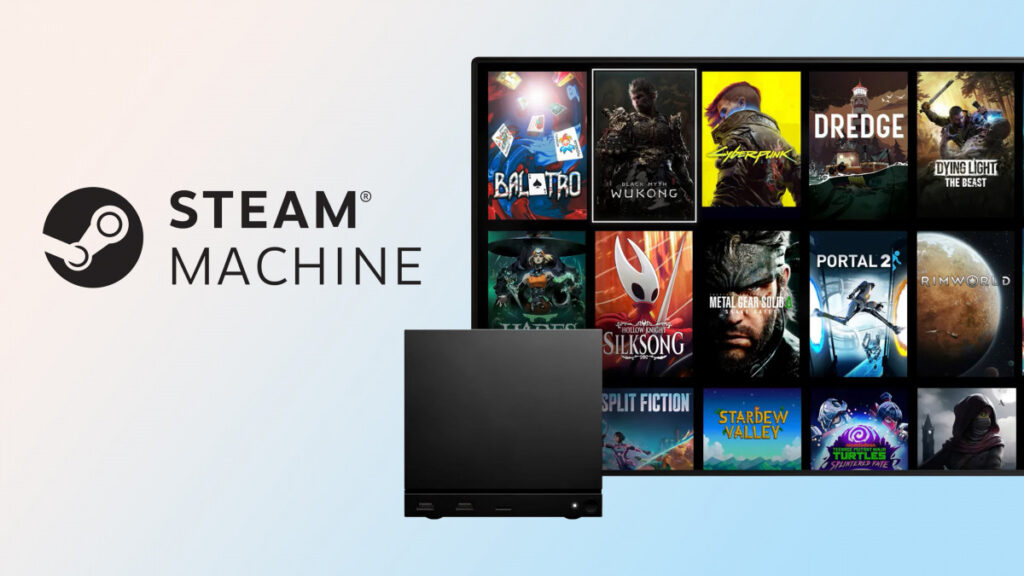
Over the past few months, escalating prices in the RAM market are shaking up the tech world and Valve is feeling the pressure. Known for innovating in gaming hardware, Valve has been developing its new Steam Machine along with the Steam Frame and Steam Controller. However, supply chain struggles and surging component costs have put a wrench in these plans, sparking fresh concerns about when these devices will truly hit the market and at what price.
Why is everyone talking about the Valve Steam Machine now? The buzz highlights a growing dilemma in tech hardware: how cost fluctuations for key components affect both manufacturers and consumers. Valve’s update reveals they’ve had to hit pause on their projected timelines due to soaring prices of RAM and storage a reality rippling through many sectors but acutely impacting niche gaming devices like the Steam Machine.
Valve Steam Machine Delayed: What’s Driving the Postponement?
Valve’s recent communication sheds light on why the much-anticipated Steam Machine won’t arrive as originally planned. The company was targeting a launch date within this period, intending to announce pricing and availability soon. Instead, component shortages and cost increases forced a strategic reevaluation.
Key elements like RAM and storage devices have grown significantly pricier, pushing Valve to reconsider its entire production calendar and pricing structure. The Steam Machine and Steam Frame, requiring higher-end components, are particularly affected by these market realities. This has resulted in Valve pushing the expected release window into the first half of 2026.
Despite the delay, Valve is not sounding an alarm about a complete derailment instead, the focus is on thoughtful timing. The company wants to ensure that when the devices do launch, the dates and prices set reflect actual hardware costs without compromising on quality or user experience.
Valve Steam Machine: Price Challenges in a Competitive Market
Beyond the postponed launch, the Valve Steam Machine faces economic challenges that may shape its future success. Unlike traditional console makers such as Sony or Microsoft, Valve explicitly stated it won’t subsidize the hardware costs. Typically, consoles are sold at lower margins with recoupment through games and services; Valve’s approach places the full hardware price burden on consumers upfront.
This pricing philosophy could push the Steam Machine into the same price bracket as mini PCs a segment known for moderate to high costs rather than affordability. With continuing upward pressure on RAM prices, achieving an accessible retail price may prove difficult, potentially limiting market appeal.
Valve is searching for a pricing balance that satisfies both production realities and consumer expectations. However, if the final cost of the Steam Machine leans too steeply, it risks launching with a built-in disadvantage. Many industry watchers see this economic aspect as the biggest unresolved question, overshadowing the actual launch date.
Ultimately, the Valve Steam Machine story illustrates tensions behind hardware development today. Supply chain constraints and component inflation aren’t just logistical problems they influence strategic pricing decisions and product viability in fiercely competitive tech markets.
For the interested gamer and tech enthusiast, this means patience is necessary. While Valve takes the extra time to recalibrate its strategy, consumers should stay alert for further updates that will define the Steam Machine’s future.
Read also : IntelliJ IDEA and PyCharm Get Major Wayland Upgrade on Linux
Valve Steam Machine delays and price concerns represent a real-world case of how global component trends reshape technology product planning. Keeping an eye on these factors offers valuable insight for anyone following gaming hardware innovations or broader tech market dynamics.