Learn how to add custom DNS server on Android for improved internet performance and security.
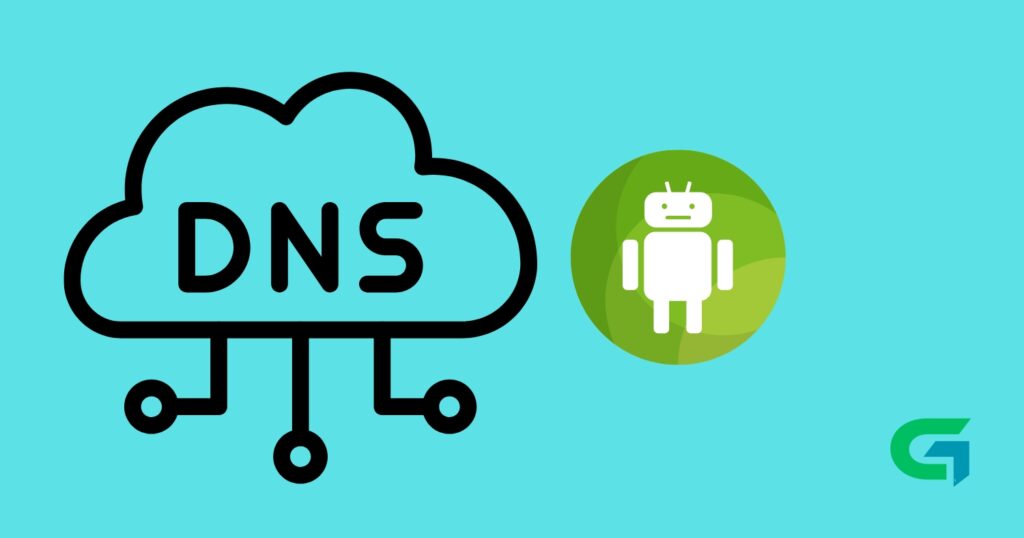
Are you experiencing slow internet speeds or facing connectivity issues on your Android device? One effective solution to enhance your browsing experience is to add a custom DNS server on Android. This guide will walk you through the process step-by-step, ensuring you can access faster and more secure internet settings.
Add Custom DNS Server on Android
To proceed with adding a custom DNS server on Android devices, ensure your device is connected to a Wi-Fi network. Modifying the DNS settings can significantly impact your internet speeds, security, and content accessibility. Let’s get started!
Requirements or Prerequisites
Before adding a custom DNS server, ensure you have the following:
- An Android device with Wi-Fi connectivity.
- Access to the Wi-Fi network settings.
- The DNS server addresses (e.g., Google DNS: 8.8.8.8 and 8.8.4.4).
Adding Custom DNS Server on Android
Follow these detailed steps to successfully add a custom DNS server on your Android device:
Open Settings:
- Locate the Settings app on your Android device, typically represented by a gear icon.
Select Network & Internet:
- Tap on Network & Internet, then select Wi-Fi.
Choose Your Network:
- Find the Wi-Fi network you are connected to and tap on it.
Modify Network:
- Look for the option labeled Modify Network, then tap on it.
Enable Advanced Options:
- You may need to expand the Advanced Options section by tapping on it.
Select DNS Settings:
- Change the IP settings from DHCP to Static.
Enter DNS Addresses:
- In the DNS 1 and DNS 2 fields, enter your preferred DNS server addresses. For instance, to use Google DNS, input 8.8.8.8 as DNS 1 and 8.8.4.4 as DNS 2.
Save Changes:
- After entering the DNS addresses, ensure you tap Save to apply the changes.
Common Problems and Fixes
While adding a custom DNS server is generally straightforward, you may encounter a few common issues. Here are some fixes:
- No Internet Access: If your internet stops working after changing DNS settings, double-check the entered DNS addresses for typos and ensure you are connected to the network.
- Slow Internet Speed Continues: Test using a different DNS server if the original doesn’t yield improved performance. Consider options like Cloudflare (1.1.1.1) or OpenDNS (208.67.222.222).
- Unable to Save Changes: Ensure that your device is not connected to a VPN, as this can prevent DNS modifications.
Tips, Best Practices, and Warnings
- Backup Current DNS Settings: Before making changes, note down your current DNS settings.
- Use Trusted DNS Services: Always opt for well-known and reliable DNS servers to ensure your security.
- Check Connectivity: After making changes, restart your device or reconnect to the network to establish new settings.
Read also : How to Find Phone Number on Samsung Phone Easily
In summary, knowing how to add a custom DNS server on Android can lead to a better internet experience. By following the outlined steps, you can swiftly improve your browsing speed and security. If you ever face issues, consult the common problems and fixes section to troubleshoot effectively.
By maintaining these best practices, you can ensure that you fully benefit from the advantages of customizing your DNS settings for an optimized internet experience on your Android device.