
The new Lito 1 and Lito X1 drones debut with advanced features, replacing DJI Mini. Discover specs, prices, and what this means for drone users.
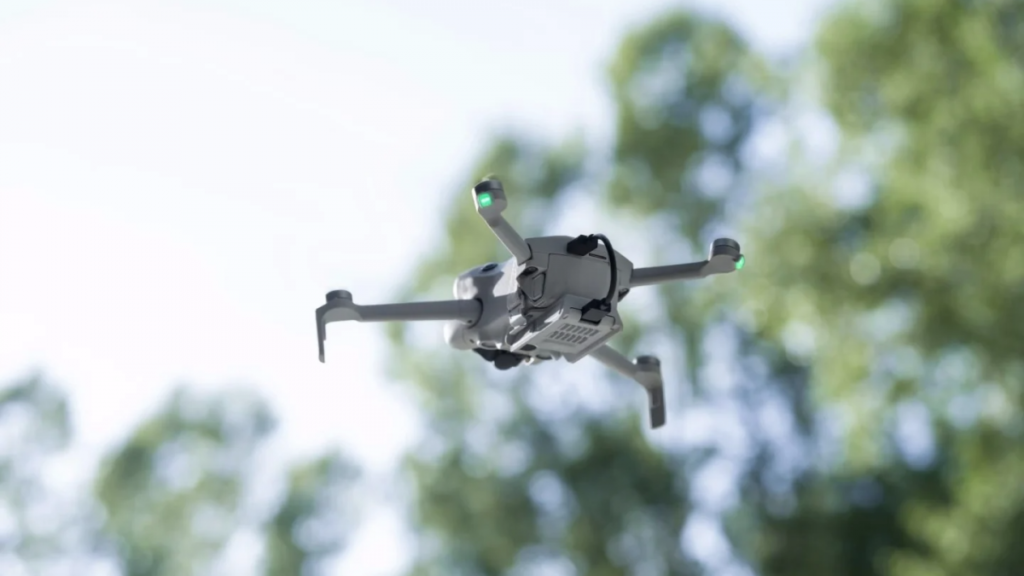
DJI Mini Replacement: New Lito 1 and Lito X1 Drones Unveiled
The drone market is shifting as the new Lito 1 and Lito X1 models launch, signaling a possible end to the era of the DJI Mini series. The Lito drones introduce cutting-edge technology and promising specifications that could redefine user expectations for consumer drones. This development matters because it highlights emerging competition and innovation in a market long dominated by DJI’s compact drones.
Background and Context on Lito 1 and Lito X1
For years, DJI Mini drones set a high benchmark in terms of portability, ease of use, and flight performance within the lightweight drone category. However, recent FCC filings and industry rumors have unveiled two new drone entries, the Lito 1 and the Lito X1, designed to offer fresh alternatives with enhanced technological features. These new models come equipped with advanced obstacle detection, better transmission capabilities, and multiple control methods that push beyond what earlier DJI Minis provided.
The Lito 1 aims to maintain the lightweight appeal with a weight below 250 grams, while the Lito X1 offers more endurance and power, albeit at a slightly higher weight class. Both models reflect a growing trend toward smart and autonomous flying technology combined with user-friendly design.
Lito 1 and Lito X1: Key Details and Specifications
The Lito 1 and Lito X1 drones bring several innovative features designed to appeal to both casual drone enthusiasts and semi-professional users. Here are the main specifications confirmed so far:
- 360° Obstacle Detection: Both drones utilize fisheye optics combined with sensors that mimic LiDAR technology, providing a detection range of up to 10 meters and infrared sensors integrated for altitude control.
- Advanced Transmission: They support O5 transmission with a range extending over 20 kilometers, along with Wi‑Fi connectivity capable of extending up to 500 meters.
- Multi-Controller Compatibility: Users can operate these drones via RC-N3 and RC2 controllers, allowing flexibility in control preferences.
- Autonomous and Voice Control: Besides traditional piloting modes, Lito drones accept voice commands with the keyword “Hey fly,” gesture control, and app-based remote flying.
- Wind Resistance: Certified to withstand wind resistance level 5, enhancing stability in diverse flying environments.
- User Interface: Featuring a front-facing display, LED indicators, and SDR technology for anti-interference, improving flight management and communication signals.
- Flight Time: The Lito 1 offers approximately 30 minutes of flight time while remaining under 250 grams, making it ideal for casual users. The Lito X1, with a longer endurance of around 50 minutes, weighs more but provides expanded capabilities.
Lito 1 and Lito X1: Price Expectations and Launch Timeline
The market introduction for the new Lito drones is anticipated soon with competitive pricing designed to attract various drone users:
- The Lito 1 will be priced around €330 for the base model and approximately €490 for the full kit, providing an affordable entry-level option.
- The Lito X1 is set at a higher price point of about €759, targeting users who want extended flight time and more premium features.
Both drones represent a compelling value proposition in their respective market segments, aiming to challenge DJI’s Mini series dominance.
Impact of Lito 1 and Lito X1 on Drone Users and the Industry
The arrival of the Lito 1 and Lito X1 could shift the competitive landscape within the compact drone market. Users looking for drones with extended flight times, improved obstacle avoidance, and modern control options may find these models increasingly attractive. The blend of autonomous operation, voice commands, and improved anti-interference technologies supports more intuitive flying experiences and could broaden drone adoption, especially among beginner and intermediate pilots.
The industry may also feel pressure to innovate rapidly, as the Lito drones’ emphasis on long-range transmission and smart sensing raises expectations. This could accelerate advancements in battery technology, sensor integration, and user interface design across competing brands.
Analysis and Implications for the Future
Replacing or supplementing the familiar DJI Mini series, the Lito 1 and Lito X1 signify a pivotal moment for drone innovation and market direction. Their combined emphasis on safety, control flexibility, and extended flight times meets growing consumer demands for reliable, easy-to-fly drones that do not compromise on functionality.
Moreover, features like 360-degree obstacle detection and voice control represent strides toward more intelligent and autonomous UAVs, aligning with broader trends in AI-powered technology. The competition introduced by these drones could stimulate pricing adjustments across the industry, potentially benefiting end users with better-equipped drones at competitive prices.
What Happens Next After Lito 1 and Lito X1 Launch?
Following their anticipated release, focus will shift to user reviews and real-world performance assessments, which will heavily influence the adoption rates of the Lito 1 and Lito X1. Manufacturers, including DJI, will likely respond with updated models or software improvements to maintain market share.
Potential firmware updates and expanded accessory ecosystems for controllers and sensors may further enhance the Lito drones’ usability and appeal. Industry events and consumer tech expos in the coming months might spotlight these models, providing clearer comparisons against longstanding favorites.
Read also : Luffu AI by Fitbit Founders Enhances Family Care Coordination
The introduction of the Lito 1 and Lito X1 drones marks a significant evolution in compact drone technology, replacing the DJI Mini with impressive capabilities and modern features. As these drones begin to enter the market, the Lito 1 and Lito X1 stand poised to redefine user expectations with extended flight times, advanced obstacle detection, and versatile control methods. This development not only impacts drone enthusiasts but also signals a broader shift in the competitive dynamics of the drone industry. Users and stakeholders should watch closely as the Lito models take flight and shape the future of aerial technology.
For further information on drone technology trends and product launches, check out authoritative resources like the Federal Communications Commission (FCC) for official filings, and stay updated with industry insights available at TechCrunch and The Verge.