
The iPhone Fold brings a unique button layout and super battery, reshaping foldable smartphone design with AI camera features and innovative structure.
The tech world is buzzing about the upcoming iPhone Fold, Apple’s highly anticipated entry into the foldable smartphone market. Promising to merge innovation with an entirely fresh design, the iPhone Fold is set to challenge conventional smartphone layouts and push the boundaries of mobile technology. This article dives into the latest updates surrounding the iPhone Fold, its revolutionary button placement, powerful battery, AI-enhanced camera, and what these changes mean for users and the broader industry.
iPhone Fold: Unique Button Layout and Design Innovation
The iPhone Fold is gaining attention not just for being Apple’s foray into foldable devices but also for introducing a distinctive button configuration. Unlike traditional iPhones with volume buttons on the left side, the iPhone Fold relocates these to the upper right, mimicking the placement seen on the iPad mini. This shift is not a mere stylistic choice; it derives from an intelligently reengineered internal layout where the motherboard is positioned entirely on the device’s right side. This rational design approach streamlines internal components and reduces the complexity involved in routing cables beneath the foldable display.
The power button, which integrates Touch ID, remains on the right but is joined by a new AI-dedicated button. This addition is tailored to leverage advanced camera functionalities, signaling Apple’s focus on AI-driven photography features that complement the foldable form factor. Meanwhile, the left side is left free of physical buttons, dedicating this space mainly to the display and a significantly larger battery touted to be the most capacious ever installed in an iPhone.
iPhone Fold: Advanced Features Transforming the User Experience
The iPhone Fold’s structural and hardware changes extend to its display and camera setup. Internally, the foldable screen features a front camera accommodated through a sleek single punch-hole cutout. This design choice replaces the conventional Dynamic Island notch, providing a cleaner and less intrusive front display without the need for the larger space required by Face ID components, which the foldable model omits.
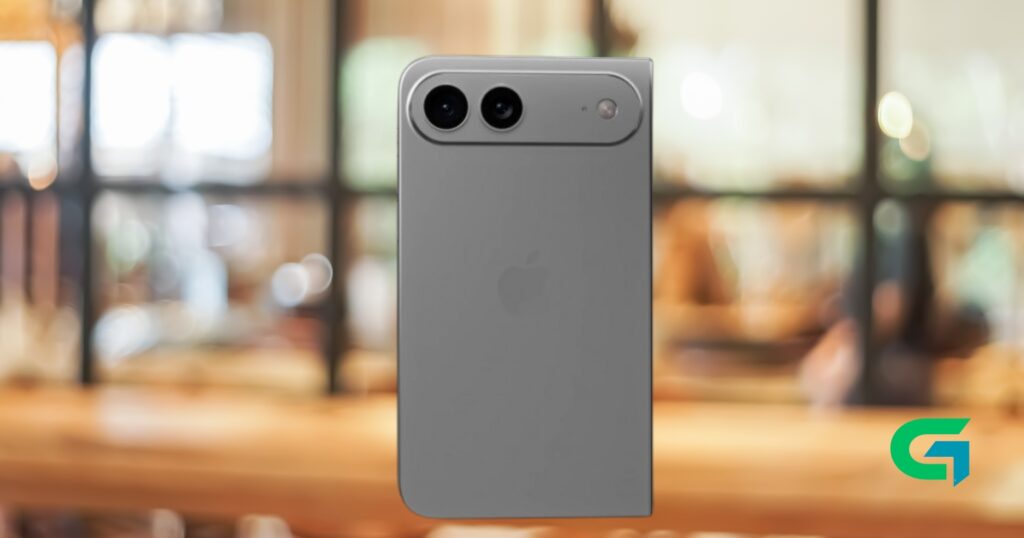
On the rear, Apple is expected to position dual cameras horizontally a layout relatively uncommon among its dual-sensor smartphones. Adjacent to the camera module are the microphone and flash, all consolidated on the device’s right side atop a contrasting black base that reportedly will not match the chassis color. Currently, the device is confirmed in white, with two other color variants hinted but undisclosed.
The internal design emphasizes practicality, maximizing every millimeter to balance aesthetics, functionality, and battery life within the demanding constraints imposed by foldable display engineering. This fusion of iPhone Air’s sleek minimalism and iPad mini’s ergonomic cues results in a truly unique device that stands out in the burgeoning foldable smartphone market.
The Impact of iPhone Fold’s Features on Users and Industry
From a user perspective, the unconventional placement of volume and AI buttons may require adjustment but promises intuitive operation once adapted. The integration of Touch ID with the power button maintains familiar security while introducing AI camera enhancements sets a new standard for mobile photography in a foldable device. Additionally, the unprecedented battery capacity ensures extended usage, addressing a common concern among foldable phone users related to battery life.
For the smartphone industry, the iPhone Fold signals Apple’s commitment to competing robustly in the foldable segment. Its rational internal design could inspire new standards for component layout efficiency, while the AI button highlights the growing role of AI in mobile hardware innovation. The move away from Face ID to a cleaner front camera punch-hole demonstrates evolving approaches to biometric security and user interface design in foldables.
Future Outlook for the iPhone Fold and Foldable Technology
As foldable technology continues to mature, the iPhone Fold’s forthcoming launch will serve as a crucial benchmark. Apple’s holistic design approach optimizing internal space, pioneering button layout changes, and emphasizing AI capabilities exemplifies how future devices may evolve beyond current foldables that primarily adapt existing phone formats to flexible screens.
Looking ahead, expect deeper AI integrations to enhance photography, productivity, and accessibility, with foldables becoming more mainstream as battery innovations improve endurance. The iPhone Fold may also influence competitors to rethink internal component arrangements and user interface layouts to better suit foldable form factors.
Read also : AMD Ryzen 7 9850X3D Bundle Tackles RAM Crisis with All-in-One Solution
The iPhone Fold’s unique button layout, super battery, and AI-driven camera features position it as a revolutionary device in the foldable smartphone market. By reimagining internal design and user interaction, Apple challenges existing norms and sets new expectations for future foldable devices. For Android and AI technology enthusiasts following foldable innovations, the iPhone Fold is poised to be a pivotal model that defines the next wave of mobile evolution.
With the arrival of the iPhone Fold, the landscape of mobile technology stands on the brink of exciting transformation, grounded in thoughtful design and cutting-edge innovation.