
The Android Auto 16.1 update fixes broken steering wheel controls caused by the squiggly line bug, enhancing in-car user experience and safety.
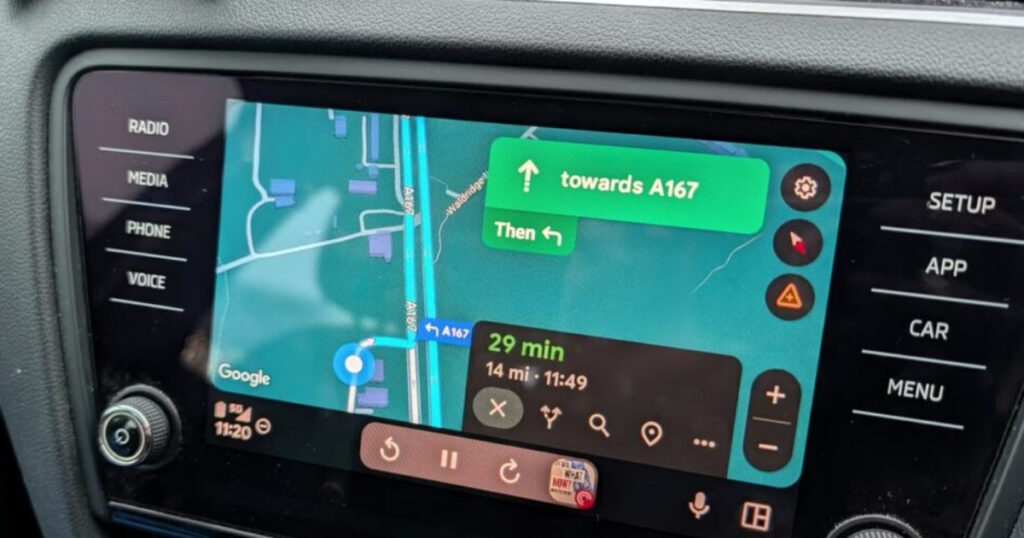
Android Auto 16.1 Update: Fixes Steering Wheel Controls Bug
Android Auto users recently encountered a frustrating issue where steering wheel controls, crucial for safe driving, stopped responding correctly. The root cause was an obscure “squiggly line bug” that impaired the functionality of these important controls. Thankfully, the latest Android Auto 16.1 update addresses this problem, restoring smooth and reliable interaction between the vehicle’s hardware and the app.
This update is a vital step in ensuring Android Auto maintains its core promise of providing seamless, distraction-free control over apps and navigation while driving. In this detailed article, we explore the background of this bug, the specifics of the Android Auto 16.1 update, and what it means for users and the broader automotive technology ecosystem.
Background of the Android Auto 16.1 Update Steering Wheel Controls Bug
The Android Auto platform is designed to integrate smartphone apps with car infotainment systems, enabling drivers to access maps, music, and communication through their vehicle’s interface. Steering wheel controls are a critical feature, allowing drivers to keep their focus on the road while making adjustments or selections.
Recently, users reported their steering wheel buttons stopped functioning as expected, an issue traced back to a “squiggly line bug.” This unusual glitch disrupted the signal interpretation between the vehicle’s input devices and Android Auto, causing a breakdown in responsiveness. The bug not only affected basic controls like volume and track changes but also navigation commands, creating a hazardous distraction.
This unfortunate issue highlighted the complex dependencies in automotive software, where even minor graphical or communication bugs can ripple into significant usability problems. Given Android Auto’s widespread adoption in millions of vehicles globally, quick resolution was pivotal.
Features and Fixes Delivered in the Android Auto 16.1 Update
The Android Auto 16.1 update includes several targeted fixes and improvements centered on restoring steering wheel control functionality:
- Bug Patch for Squiggly Line Glitch: The update specifically addresses and eliminates the graphical anomaly that caused input misinterpretation.
- Enhanced Input Signal Processing: Improvements ensure more robust and accurate translation of steering wheel button signals.
- Improved Stability and Performance: Beyond the bug fix, the update optimizes app responsiveness and reduces chances of crashes related to hardware interface.
- Compatibility Improvements: Updates align Android Auto with newer car makes and infotainment systems, ensuring future-proofed control integration.
By solving these critical issues, Android Auto 16.1 re-establishes the reliability drivers depend on for safe and convenient interactions while on the move.
User Impact of the Android Auto 16.1 Update
For Android Auto users, especially those who rely heavily on steering wheel controls to minimize distractions, this update is a welcome relief. The fix restores full functionality, meaning users can adjust volume, control media playback, and interact with navigation commands seamlessly from their steering wheel.
The enhanced stability reduces frustration and increases confidence in relying on Android Auto while driving. This can lead to safer driving habits as attention remains focused on the road rather than troubleshooting technical challenges.
Moreover, the update boosts user satisfaction through tangible improvements and strengthens the overall Android Auto ecosystem by addressing real-world problems promptly.
Industry Implications of the Android Auto 16.1 Update
The swift resolution of the steering wheel controls bug via the Android Auto 16.1 update reflects the increasingly critical role software plays in automotive experiences. Car manufacturers and tech providers must collaborate closely to ensure seamless integration that prioritizes user safety and convenience.
It also underscores the importance of regular updates in resolving unforeseen bugs in complex systems like in-car infotainment. The Android Auto 16.1 update acts as a case study for the need for continuous maintenance and responsiveness to feedback in connected car technologies.
This event may prompt other platforms to audit and improve their input processing systems to avoid similar issues, ultimately raising industry standards across the board.
Future Outlook Post-Android Auto 16.1 Update
Looking ahead, the Android Auto platform is likely to continue evolving with more sophisticated controls and AI-driven voice recognition to reduce reliance on physical buttons altogether. The lessons learned from this bug and update cycle will guide developers to build more resilient and user-friendly automotive interfaces.
Additionally, as cars get smarter and more connected, software updates like Android Auto 16.1 will become routine necessities for optimal performance, highlighting the convergence of automotive hardware and software.
The focus will remain on enhancing safety, minimizing driver distraction, and expanding integration options with third-party apps and vehicles.
Read also : Google Gemini Simplifies Switching from ChatGPT
The Android Auto 16.1 update fixes broken steering wheel controls caused by the squiggly line bug, a crucial improvement that restores core functionality and user confidence. This timely update not only resolves a pressing issue but also reinforces the importance of continuous software refinement in the connected car era.
For Android Auto users, the 16.1 update ensures safer, more reliable access to in-car controls, making driving experiences smoother and more enjoyable. The broader technology industry benefits from this example of proactive bug resolution, paving the way for more stable and integrated automotive software solutions in the future.