
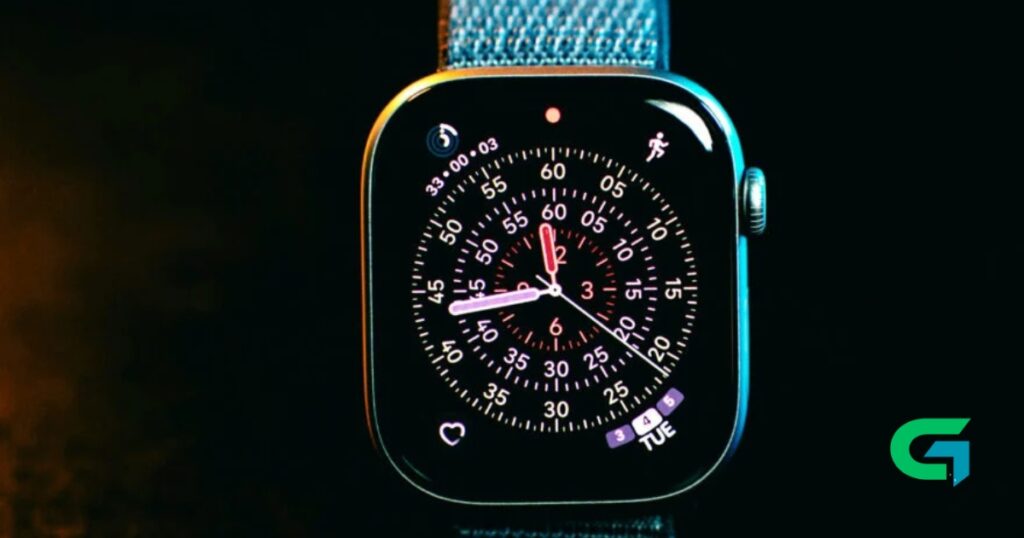
Apple Watch Saves a Life During the Night
The Apple Watch health features have once again proven their real-world value through a powerful personal story. More than a decade after the smartwatch first launched, new testimonies continue to highlight how wearable technology can play a critical role in health monitoring. In this case, an Apple Watch alerted its wearer to a dangerous situation in the middle of the night one that could have ended far worse.
The story underscores how continuous health tracking can make a life-saving difference, especially for people managing complex medical conditions.
A Delicate Medical Situation
The individual involved is a 61-year-old journalist undergoing chemotherapy for leukemia. As part of his treatment, he takes several medications every evening to manage side effects and support his therapy. Such treatments often require precise drug combinations, as interactions can quickly become dangerous.
After developing a persistent cough, he was prescribed an antibiotic to treat a suspected infection. That same night, his condition suddenly worsened, with intense nausea and severe discomfort that left him feeling extremely unwell while in bed.
Apple Watch Detects an Abnormal Heart Rate
While he was experiencing these symptoms, his Apple Watch began sending alerts about an unusually high heart rate. These notifications were triggered automatically, without any user action, thanks to the device’s continuous heart rate monitoring.
At the time, the severity of the situation wasn’t fully clear. However, the smartwatch’s warnings provided a critical signal that something was wrong beyond ordinary side effects.
A Crucial Medical Discovery
The next morning, the journalist sought a second medical opinion. Doctors quickly identified the issue: the antibiotic he had been prescribed should never have been combined with his ongoing chemotherapy. The interaction caused a dangerous reaction that led to the elevated heart rate and severe symptoms.
In the days that followed, he closely monitored his heart rate using the Apple Watch. As the problematic medication was stopped, his readings gradually returned to normal.
Doctors Confirm the Life-Saving Role of the Apple Watch
Looking back, the journalist acknowledged that he should have contacted emergency services during the night. His doctor was even more direct, stating that the smartwatch likely prevented a far more serious outcome.
According to medical professionals involved, the early warning provided by the Apple Watch may have saved his life or at the very least prevented major complications that could have arisen if the issue had gone unnoticed.
Apple Watch and Health Monitoring Accuracy
This story is not an isolated case. Numerous reports and studies have highlighted the Apple Watch health features, particularly its ability to detect abnormal heart rhythms. Recent scientific research has even shown that the device can identify conditions like atrial fibrillation with accuracy comparable to specialized medical equipment.
These capabilities make the Apple Watch a valuable companion for users with chronic conditions or those undergoing intensive treatments.
Why Continuous Health Tracking Matters
What makes smartwatches so powerful is their ability to monitor health metrics continuously, even during sleep. Unlike occasional checkups, wearables can detect sudden changes in real time, offering early warnings when users are most vulnerable.
For people managing complex medical regimens, this constant oversight can provide an additional layer of safety and peace of mind.
Read also : Samsung Galaxy S26 Prices Leak: Ultra Is the Only Bright Spot
The Apple Watch health features once again demonstrate their potential to save lives. By detecting an abnormal heart rate during the night, the smartwatch helped reveal a dangerous drug interaction that could have had fatal consequences. Stories like this reinforce the growing role of wearable technology in everyday healthcare, showing how a device on your wrist can become a critical health ally.